“Moral Education Symposium” Held as Part of Centennial Commemorative Events
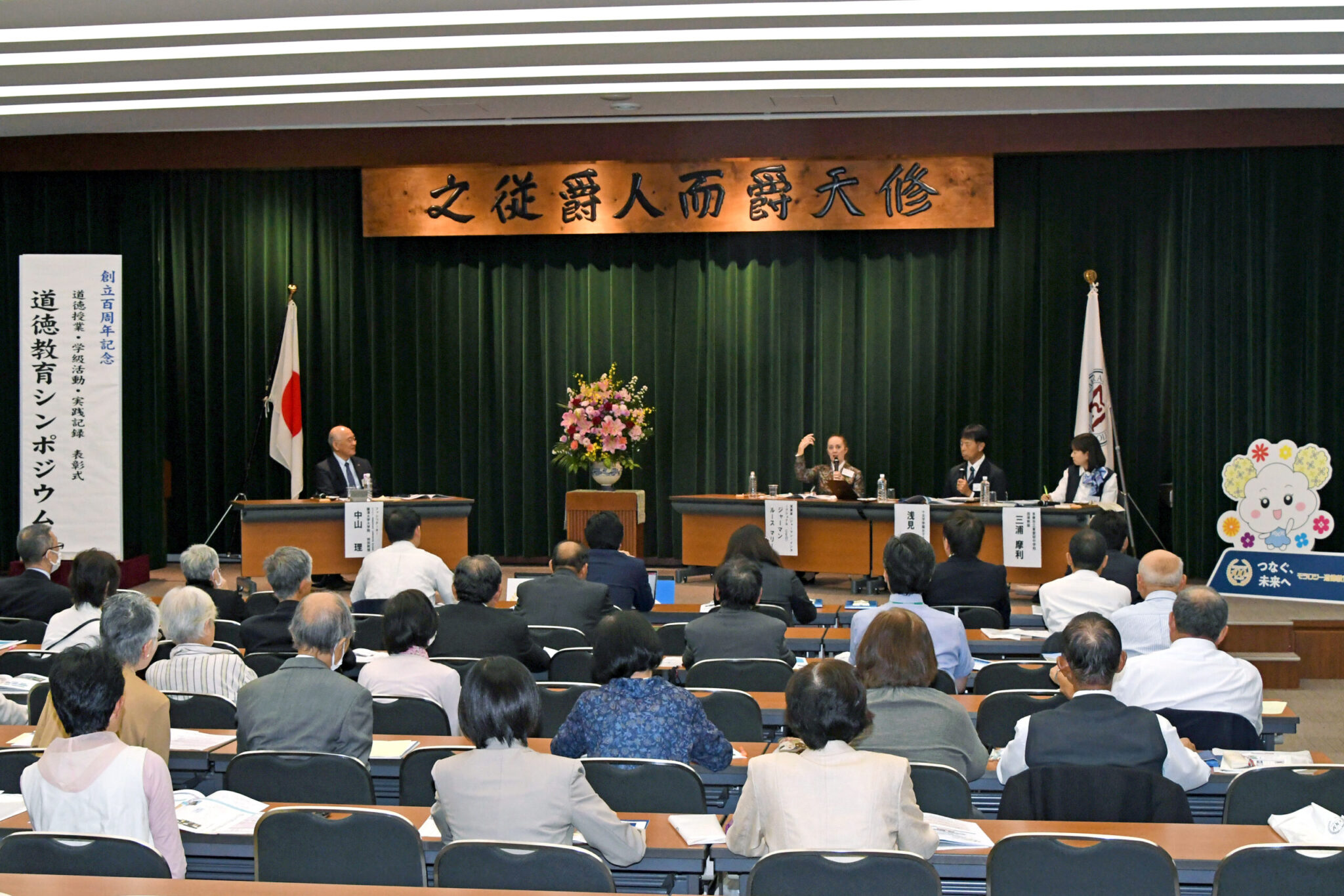
As part of its centennial commemorative events, The Moralogy Foundation held a “Moral Education Symposium” on Sunday, October 18, at the Chikuro Hiroike Memorial Center.Approximately 100 people, including current teachers, school staff, and other education professionals, attended the event.(Organized by: The Moralogy Foundation / Co-organized by: Reitaku University / Supported by: The Boards of Education of Chiba Prefecture, Kashiwa City, Matsudo City, Noda City, Nagareyama City, Abiko City, and Kamagaya City)
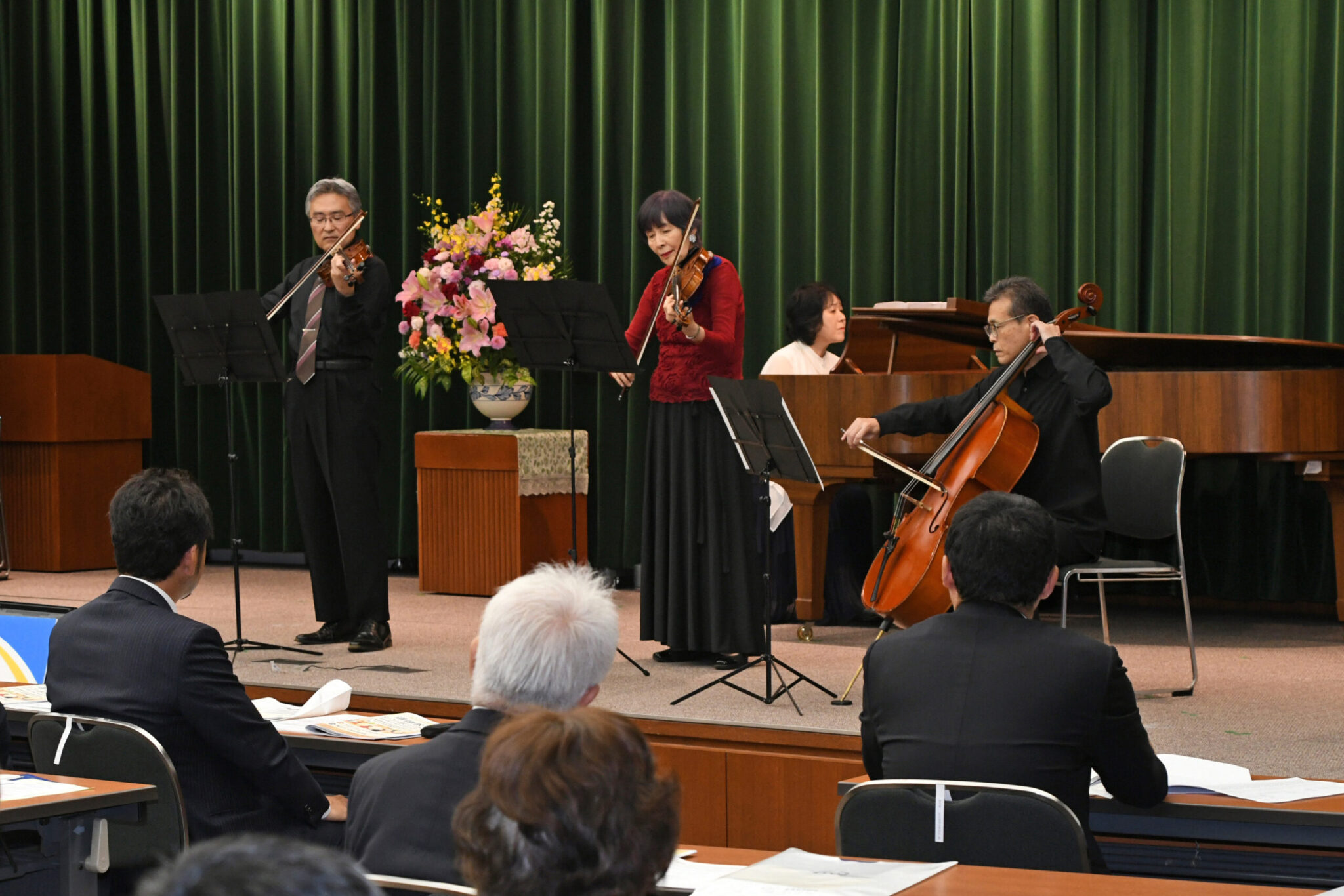
Prior to the opening, the “Uruwashi no Mori Ensemble” performed a mini classical concert, filling the entire venue with a warm and friendly atmosphere.
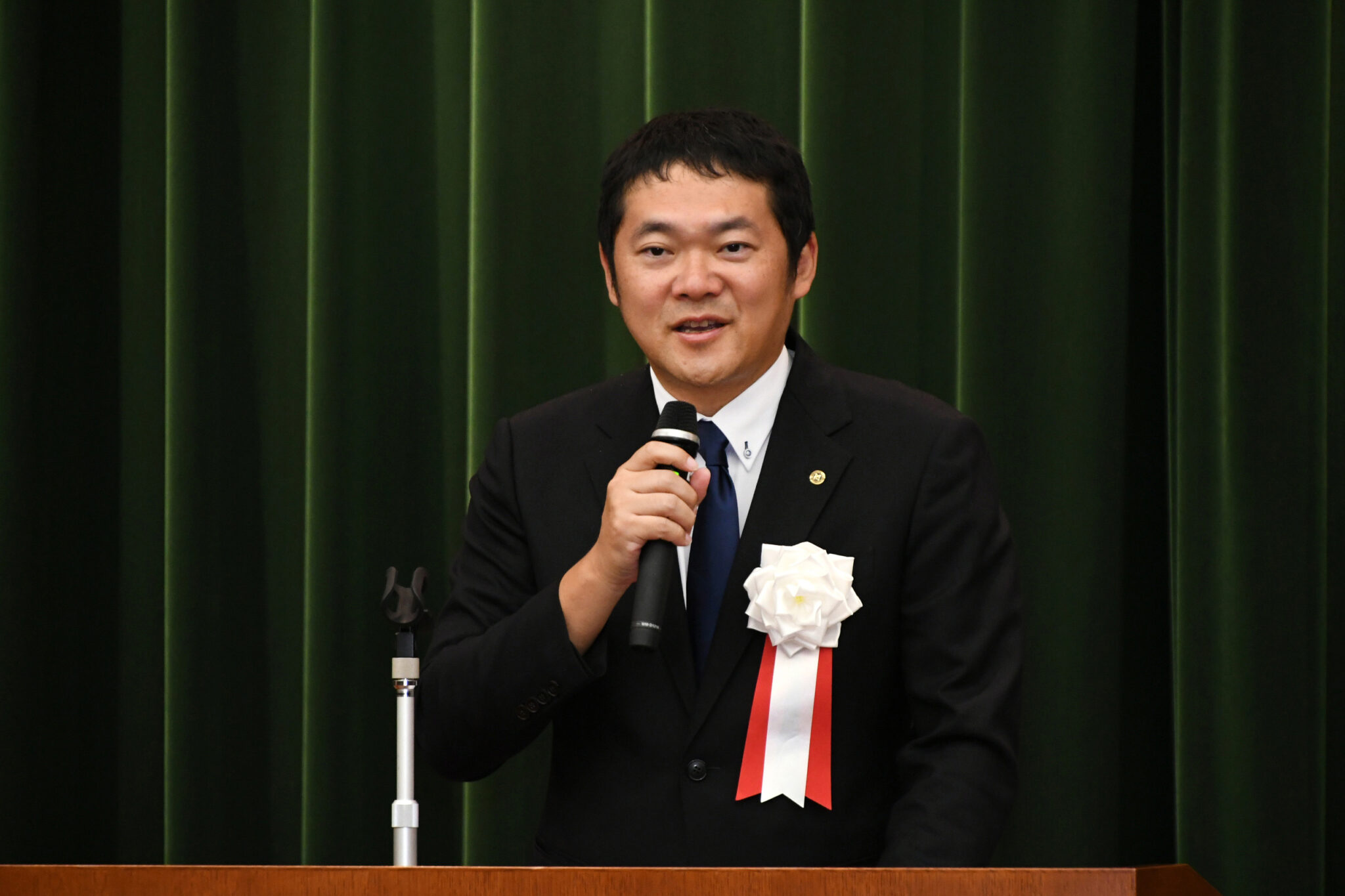
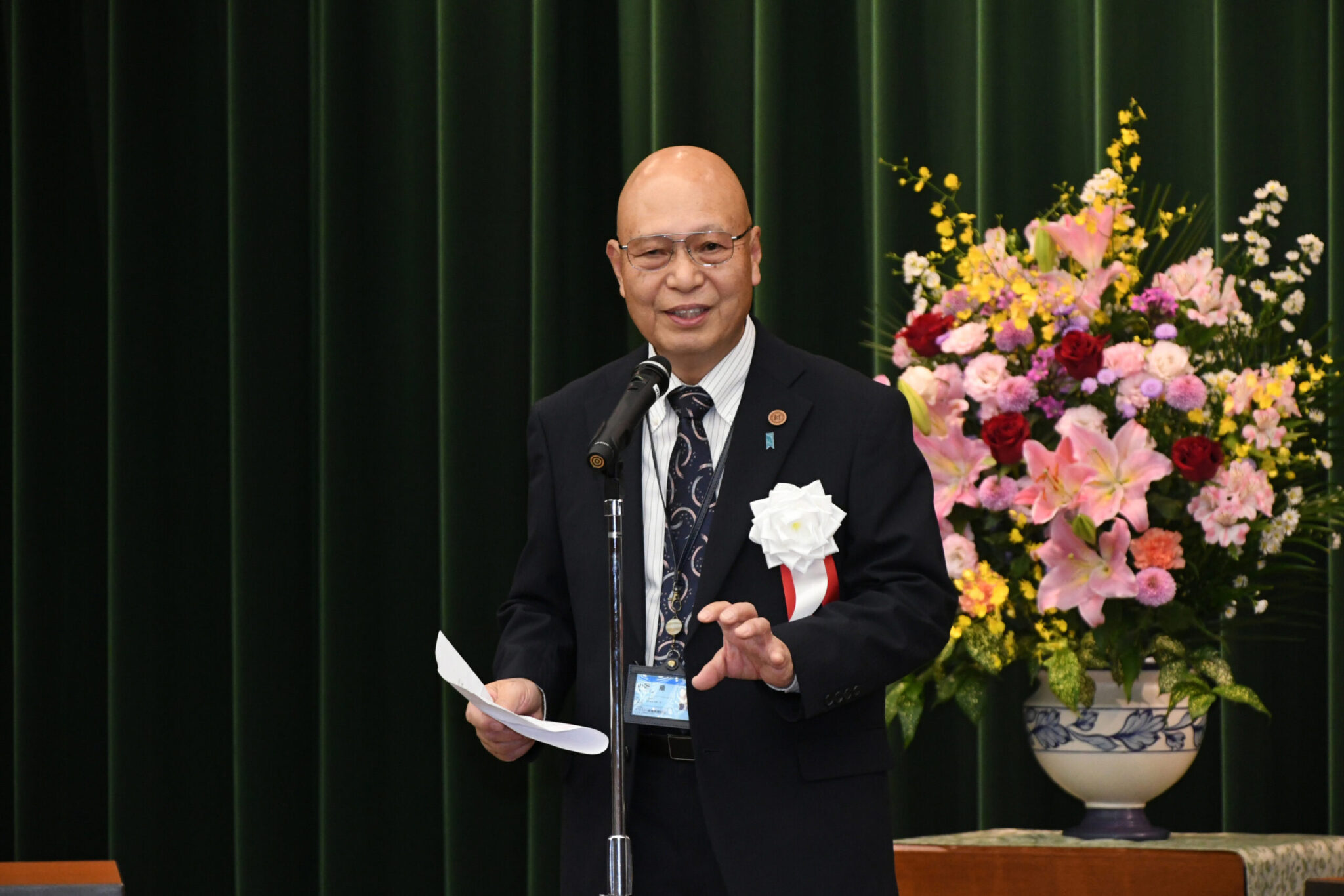
In his opening remarks, Executive Director Yoshikazu Hiroike, Chair of the Centennial Commemorative Committee, introduced the moral principles espoused by the founder, Chikuro Hiroike,and emphasized the importance of each individual practicing morality to elevate their character and extending that influence to their families, workplaces, and society at large.He also spoke about the importance of fostering children’s ability to understand and empathize with others’ perspectives and to choose the best course of action.Furthermore, he introduced “Moral Day,” observed annually on October 19 and promoted by the Foundation,calling on everyone to make it a day to be mindful of moral values in daily life through familiar practices such as honoring one’s parents and participating in cleanup activities.
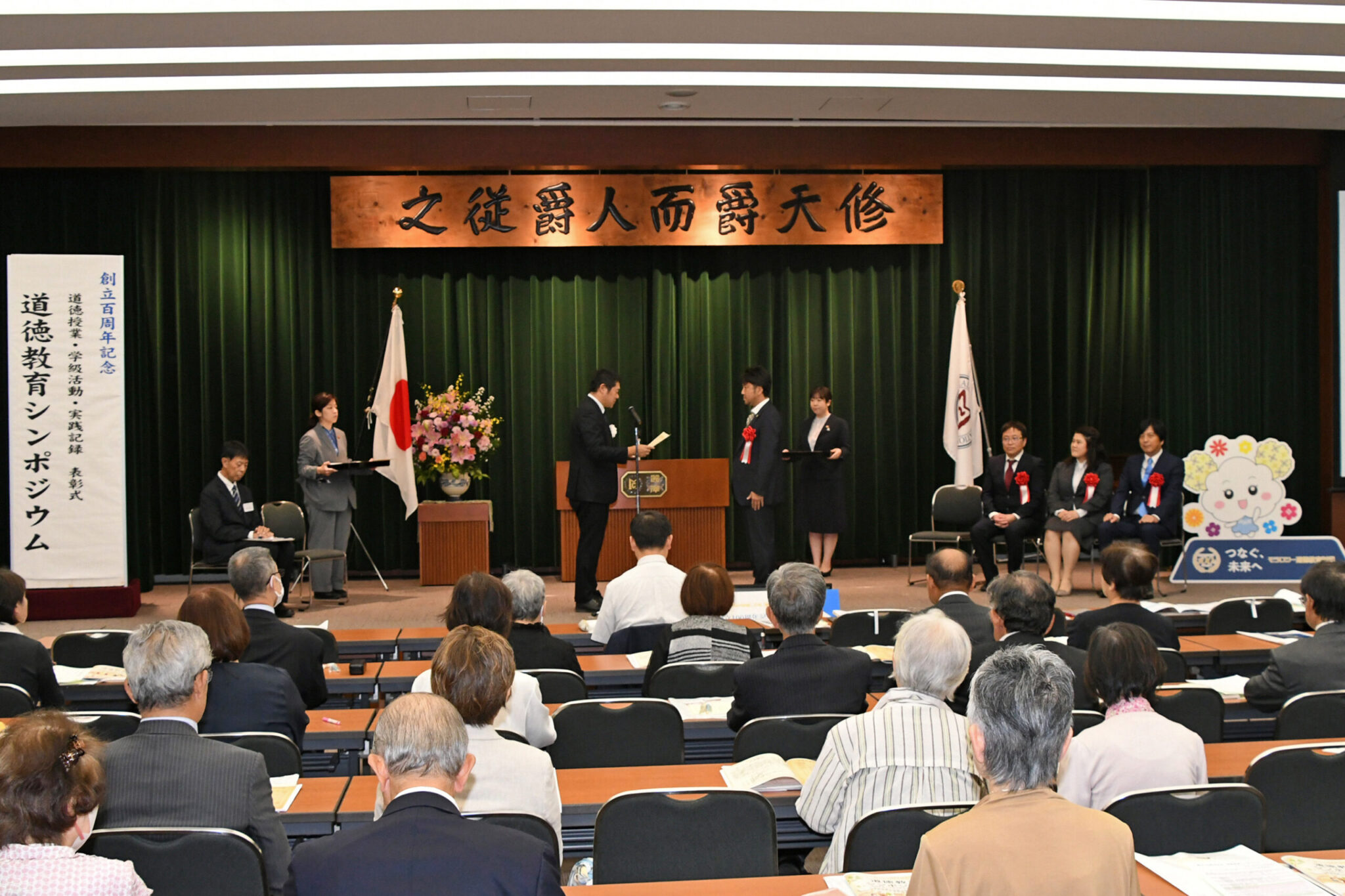
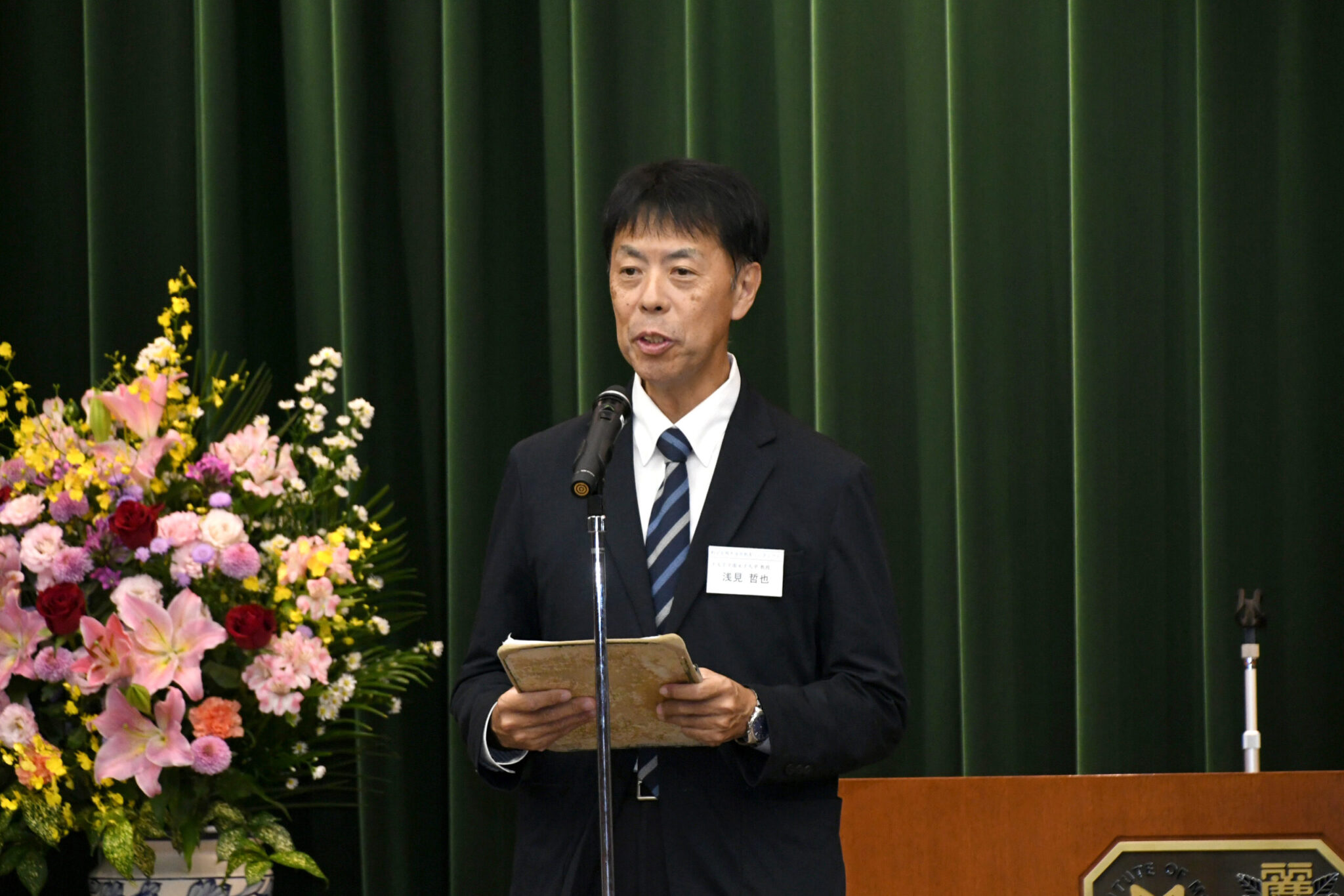
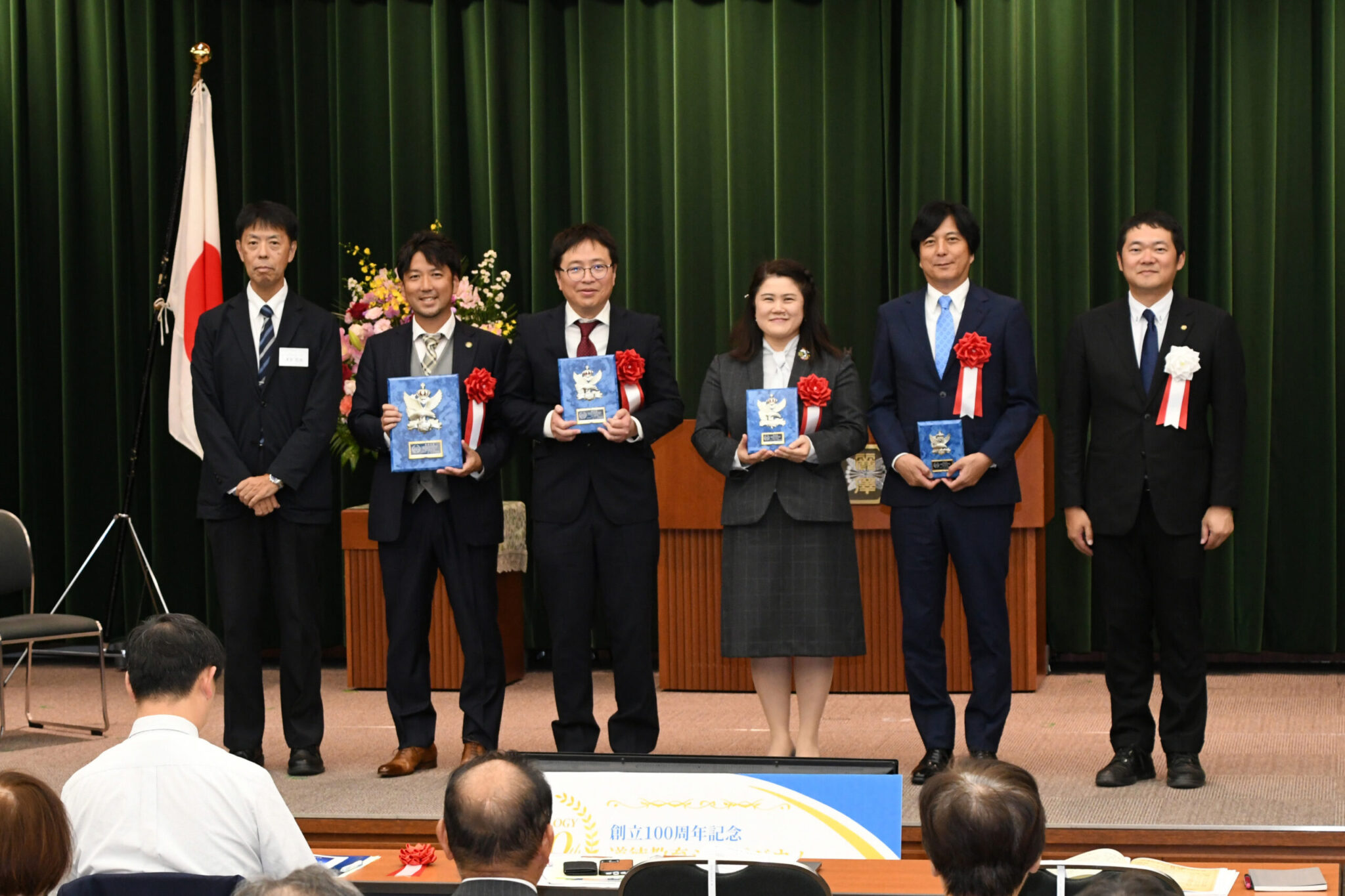
At the awards ceremony for the Centennial Special Project, “Practical Records of Moral Education Lessons & Classroom Activities,” various awards—including the Grand Prize—were announced from among 40 entries submitted from across the country.(*See the end of the article for a list of winners)Next, Professor Tetsuya Asami of Jumonji University, who served as chair of the final selection committee, delivered a commentary.He praised the entries, noting that they sincerely addressed the challenges facing modern schools and represented initiatives that opened up new possibilities for implementing better moral education.
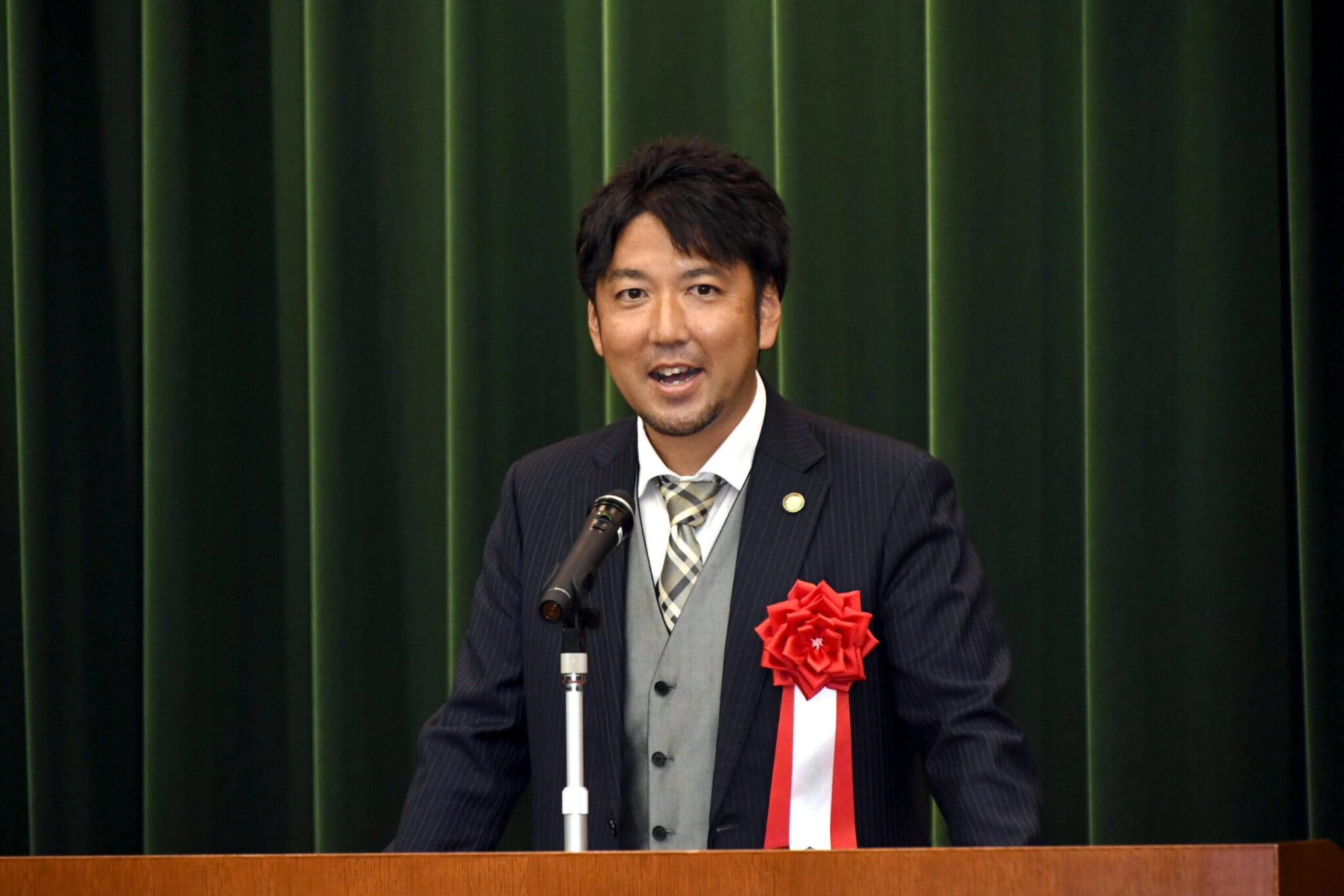
In the presentation by the Grand Prize winner, Ken’nosuke Kasuga, a teacher at Fukuroi City Asaba Junior High School in Shizuoka Prefecture, took the stage.Centered on three pillars of “connecting teachers,” “connecting students,” and “connecting students with teachers and the local community,”he presented a record of his efforts to foster dialogue and empathy in classrooms and across grade levels. This included a system where teachers engage in repeated dialogue to develop moral education lesson plans, as well as activities in which students acknowledge and respect one another’s perspectives.In closing, he reflected on the warm memories he had from his own middle school moral education lessons and stated emphatically, “We can change schools through ‘morality.’”
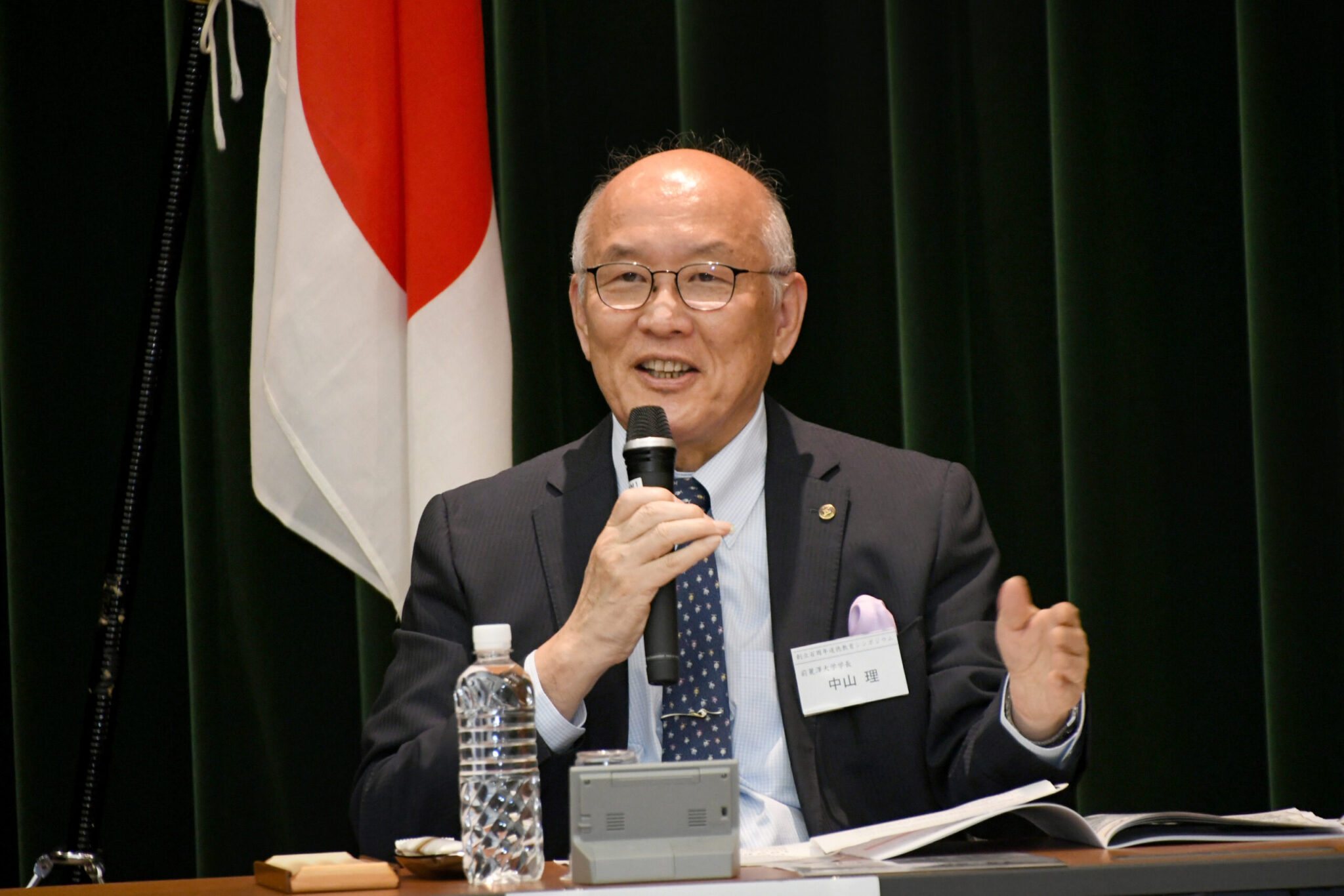
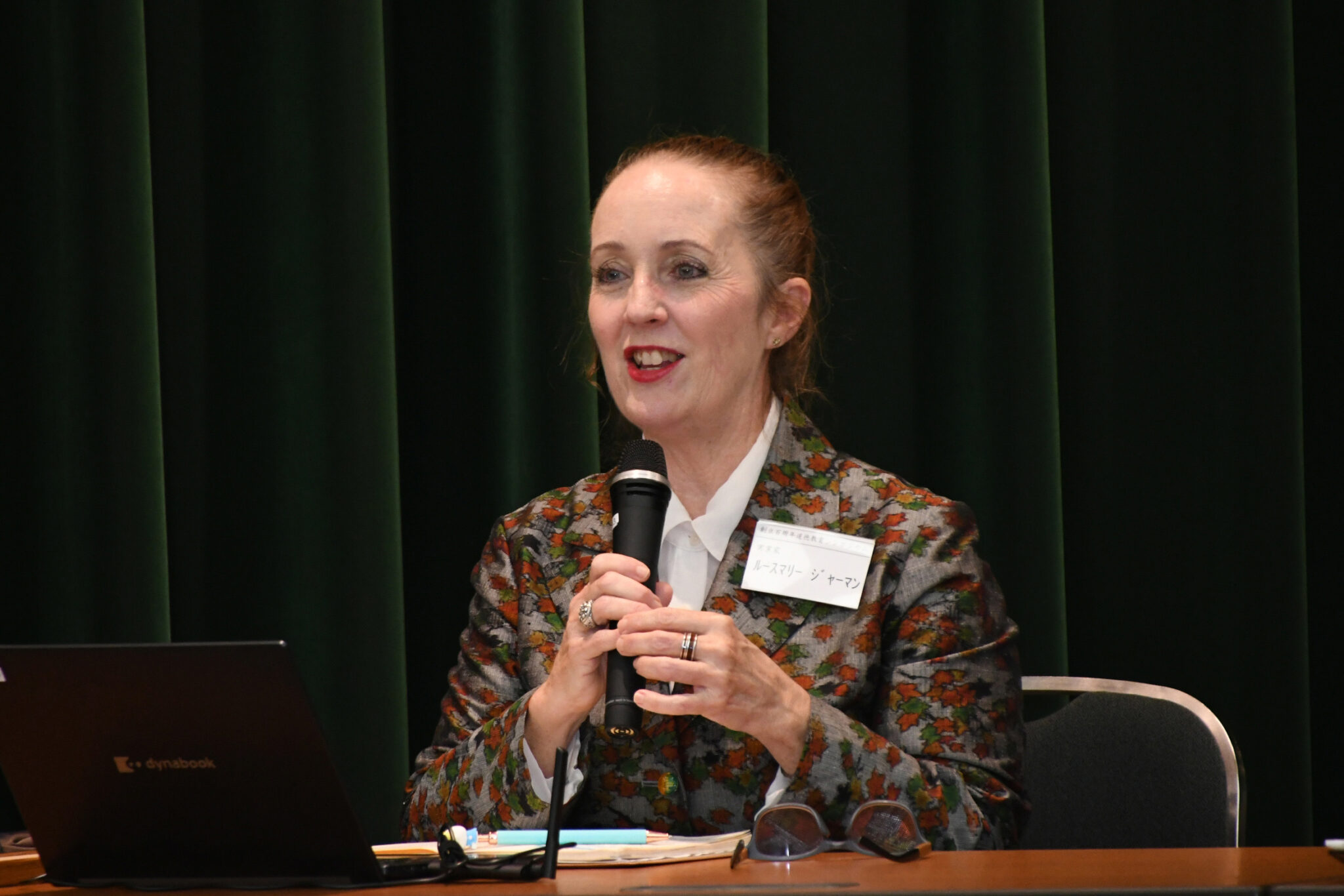
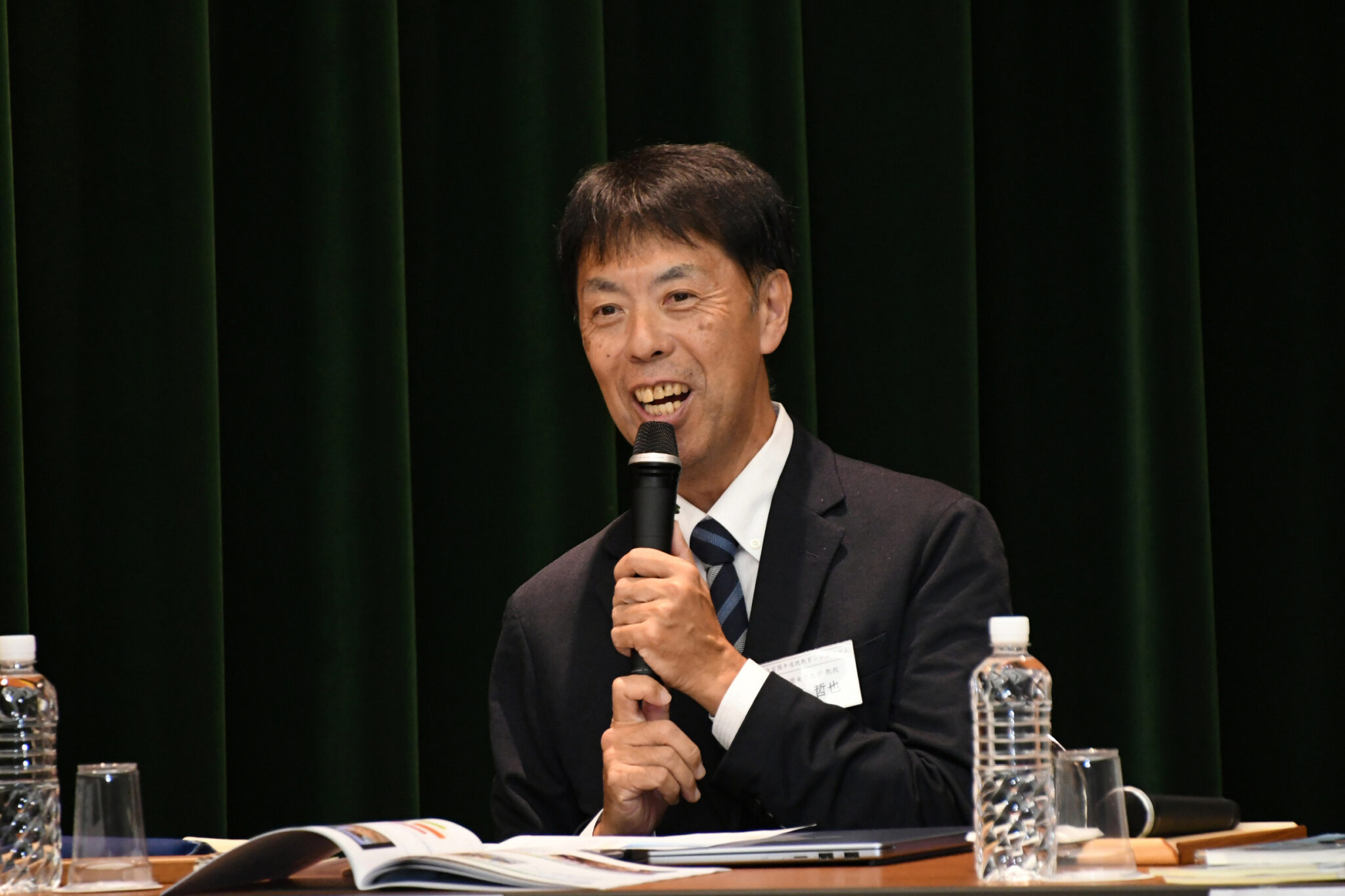
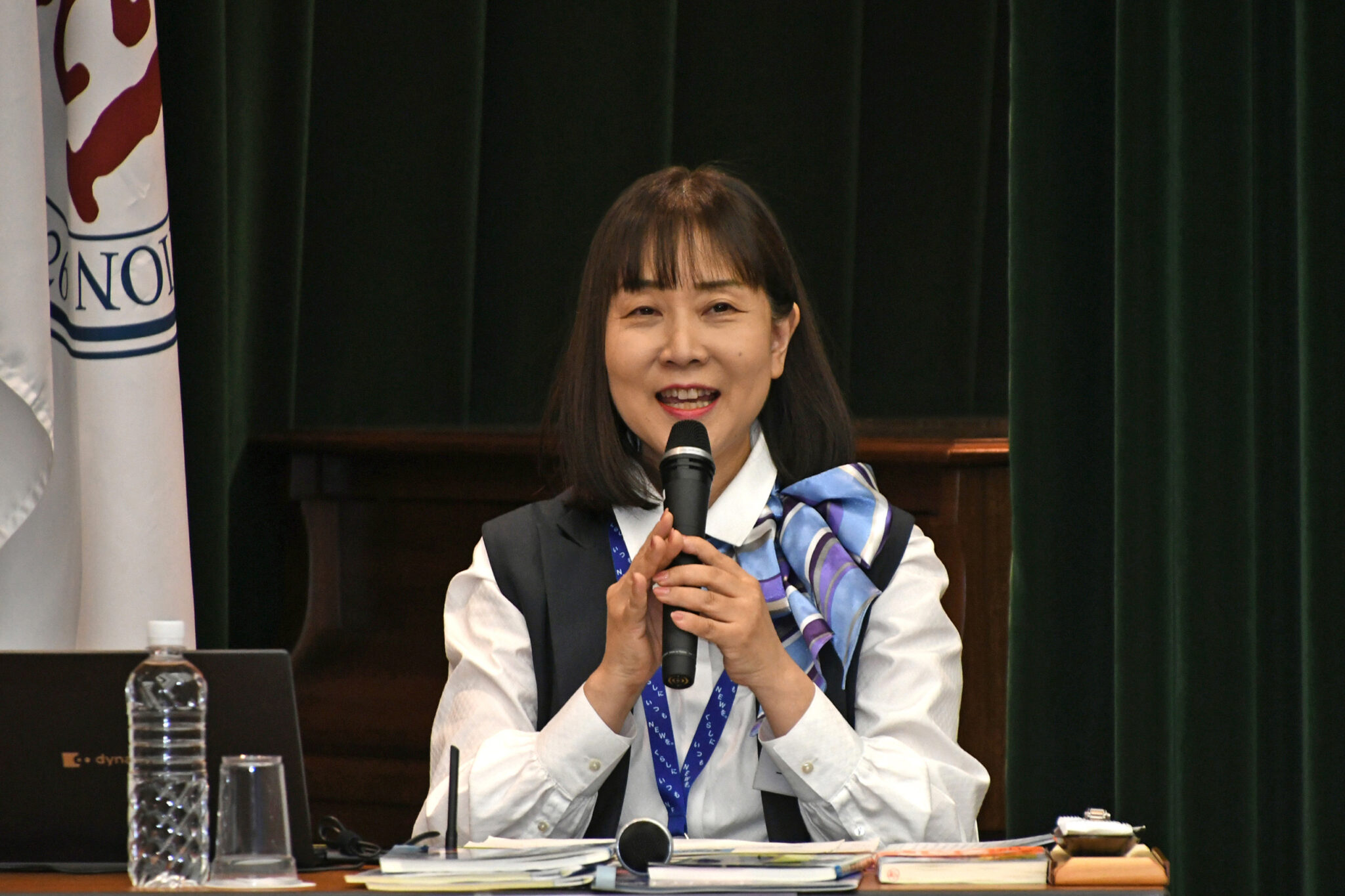
The second half featured a panel discussion on the theme “Future Moral Education: Cultivating Human Potential.”The panelists were Ruth Marie Jarman, CEO of Jarman International KK Co., Ltd.; Professor Tetsuya Asami of Jumonji University; and Mari Miura, a guidance teacher at Tama City Higashi-Atago Junior High School in Tokyo.Professor Osamu Nakayama, Special Professor at Reitaku University Graduate School, served as the facilitator.
At the outset, Professor Nakayama provided an overview of Moralogy,explaining that it is a “Comprehensive Human Science” developed 100 years ago by the founder, Chikuro Hiroike, who examined morals and ethics around the world as well as all domains of humanity, society, and nature to present guidelines for people to live better lives.Subsequently, each panelist raised issues and perspectives regarding the future of moral education from their respective standpoints.Jarman spoke about the importance of creating a safe and secure environment in schools—especially as the number of children with foreign roots continues to grow—by understanding cultural and linguistic differences and communicating with empathy by putting oneself in the other person’s shoes.Asami, looking ahead to the revision of the Course of Study,presented future directions and challenges for moral education, such as how to pass down Japanese traditions while respecting diversity, and how to nurture humanity through the use of generative AI and digital technology.Miura discussed sharing opinions through the use of ICT(Information and Communications Technology)and developing teaching materials based on local culture and events.He also emphasized the importance of creating an environment where students can express their opinions with confidence, while also deepening their own thinking by engaging with different perspectives.
Following this, based on questions submitted by participants, the discussion focused on topics such as supporting children with foreign roots, the relationship between generative AI and moral education, and the strengths of moral education in Japan.Regarding generative AI, while concerns were raised about overreliance on AI, methods were also introduced for using AI-generated responses as a starting point to reexamine one’s own thoughts. Participants shared the importance of fostering the ability to think independently, make judgments, and take action.Furthermore, the strengths of Japan’s moral education were highlighted, including a spirit of consideration and thoughtfulness toward others, as well as a culture of mutual growth within the group fostered through activities such as cleaning and school events.Finally, based on these discussions, Mr. Nakayama summarized the importance of moral education that nurtures children’s non-cognitive skills by moving back and forth between theory and practice.
In today’s rapidly changing world, this symposium provided a meaningful opportunity to acknowledge diverse values and consider the future direction of moral education.
[List of Winners: Practical Records of Moral Education Lessons & Classroom Activities]
Grand Prize
- “The ‘TEAM Morality’ Approach: Fostering Connections Between Students and Teachers to Cultivate Dialogue and Empathy”
Ken’nosuke Kasuga, Teacher, Asaba Junior High School, Fukuroi City, Shizuoka Prefecture
Excellence Award
- “Creating a Curriculum Design for Moral Education That ‘Connects’ Local Culture and the Heart”
Hideki Furumi , Teacher, Wako City Fourth Elementary School, Saitama Prefecture
Merit Award
- “Creating a Classroom Environment Free of Bullying and School Refusal”
Hitomi Itazu, Teacher, Hikarigaoka Elementary School, Kashiwa City, Chiba Prefecture
Encouragement Award
- “Fostering Coexistence and Nurturing Hearts Through School Lunches”
Nobuaki Sawa, Principal, Otsugaoka Daiichi Elementary School, Kashiwa City, Chiba Prefecture
Honorable Mention
- “Thinking Together with Friends, Acting Together with Friends”
Yosuke Kimura, Teacher, Hachigata Elementary School, Yorii Town, Saitama Prefecture - “Practices for Fostering Students’ Confidence Through Connection and Dialogue”
Nobuhide Ozawa, Teacher, Yamanashi Prefectural School for the Deaf - “From a Classroom Where ‘Happiness’ Is Taught to a Classroom Where ‘Happiness’ Is Created”
Takuya Tsuru, Teacher, Fujimi Elementary School, Toyohashi City, Aichi Prefecture - “‘Connecting,’ ‘Dialogue and Empathy’”
Teruko Masui, Teacher, Meido Junior High School, Fukui City, Fukui Prefecture - “Moral Education That Begins with Talking to Strangers”
Hiroki Kurakake, Vice Principal, Kaisei Junior and Senior High School, Shimane Prefecture - “Nurturing Children Who Act Proactively with a Rich and Caring Spirit to Create Better Lives”
Takanobu Araki, Principal, Tamukai Minami Elementary School, Kumamoto City, Kumamoto Prefecture