“The Unity of Morality and the Economy: Economics and Management Symposium in Tokyo” Held—100th Anniversary Commemorative Event
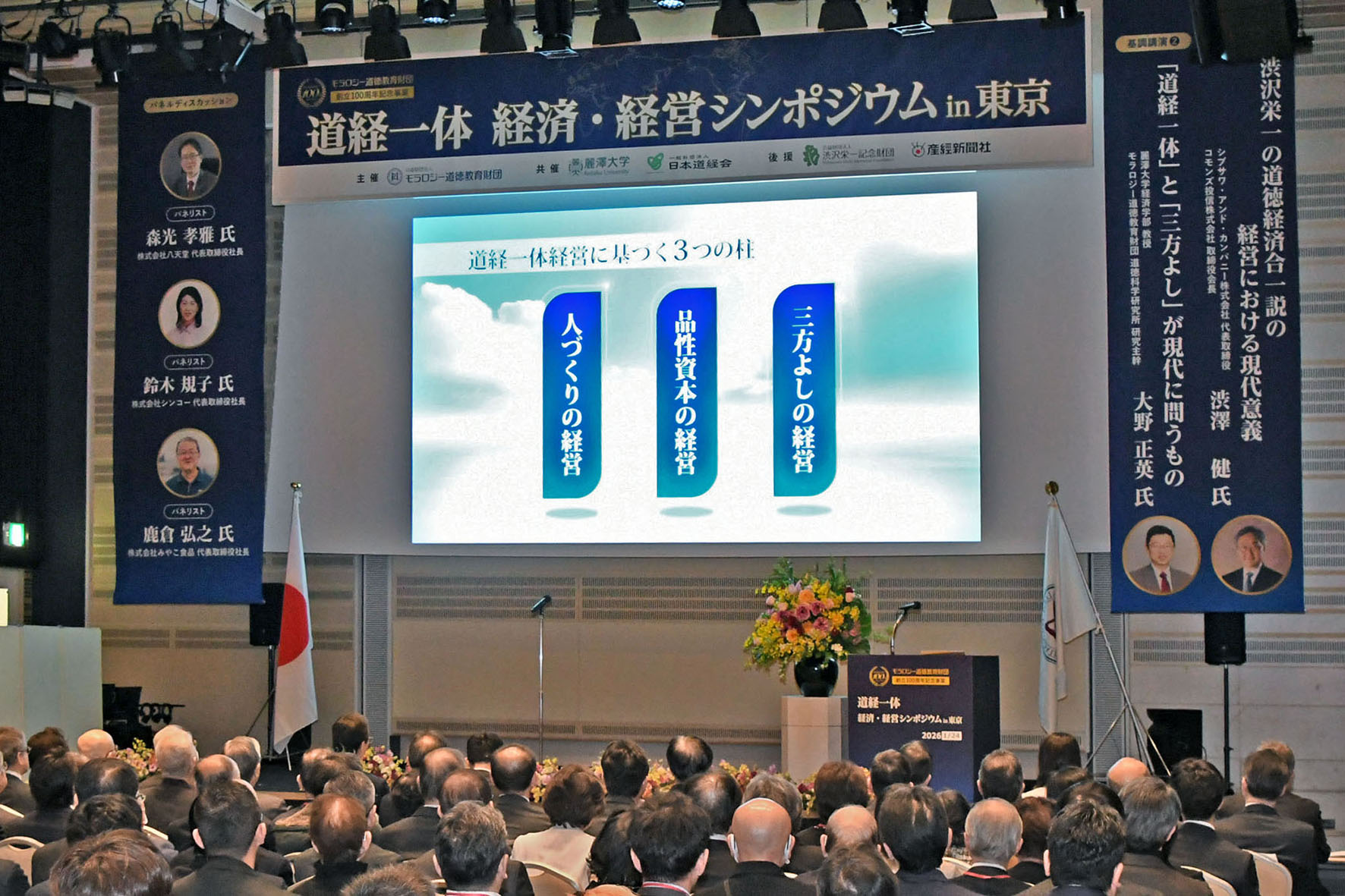
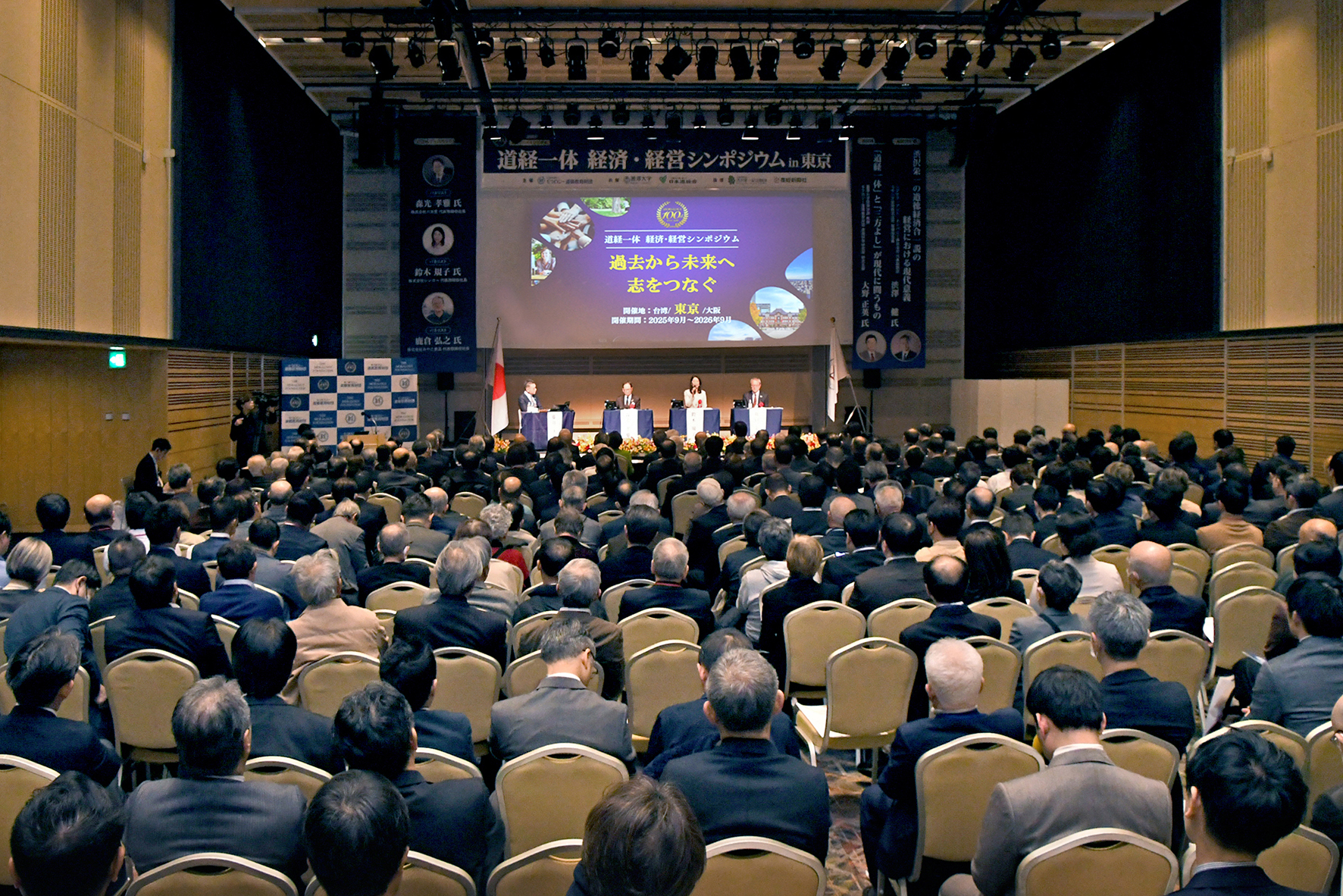
As part of its 100th-anniversary commemorative events, The Moralogy Foundation held the “The Unity of Morality and the Economy: Economics and Management Symposium in Tokyo” on Saturday, January 24, at Otemachi Sankei Plaza in Chiyoda Ward, Tokyo. (Co-hosted by Reitaku University and Nihon Dohkei kai; supported by the Shibusawa Eiichi Memorial Foundation and THE SANKEI SHIMBUN.)
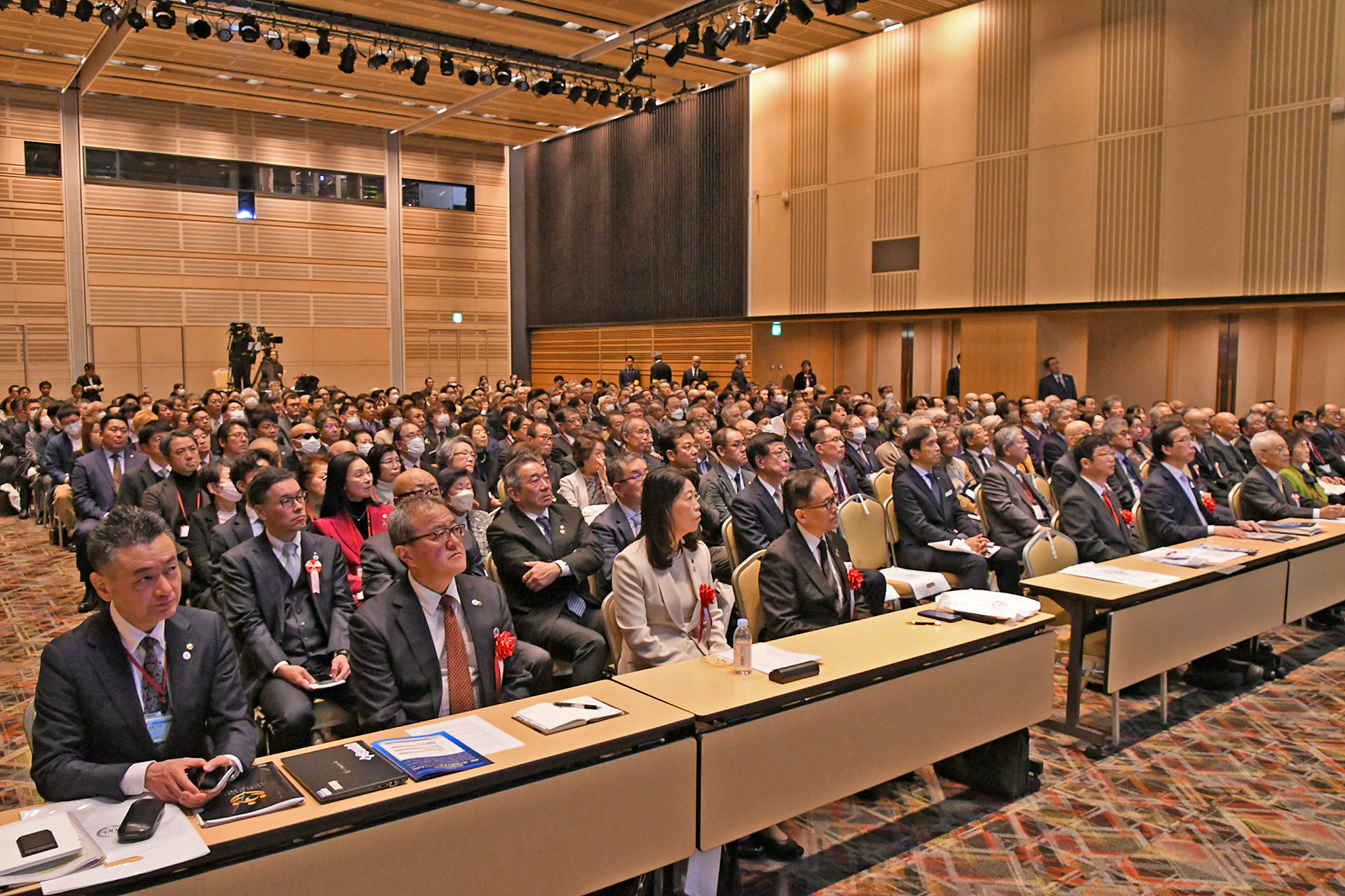
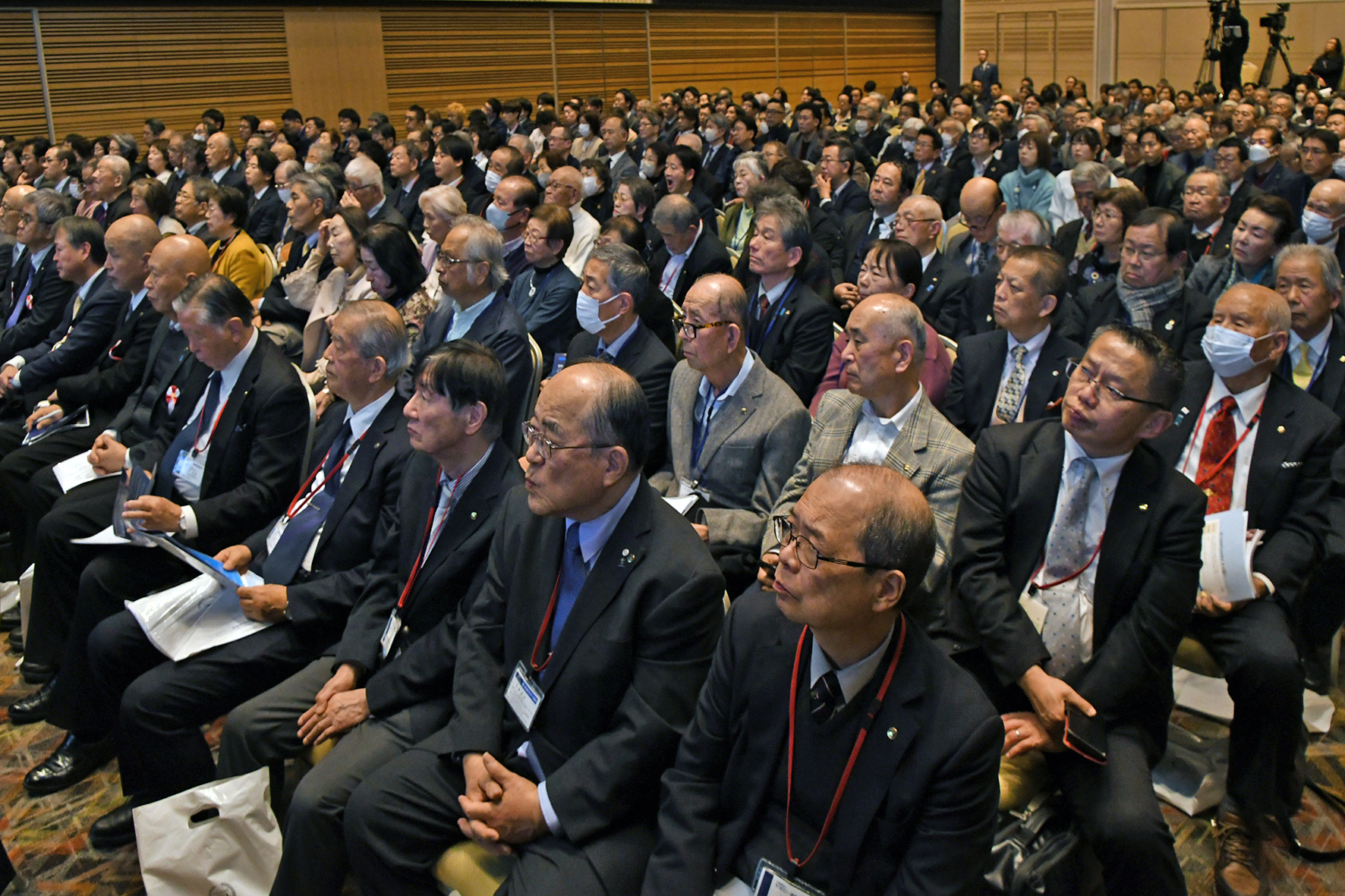
This symposium was the second installment following the “The Unity of Morality and the Economy: International Symposium in Taiwan,” held in Taipei, Taiwan, in September of the previous year. Under the theme “Reflecting on Sanpō Yoshi (Benefit for All Three Parties Involved) for Realizing Social Happiness and Sustainable Economics and Management,” the symposium brought together approximately 380 participants, including corporate executives and business leaders.
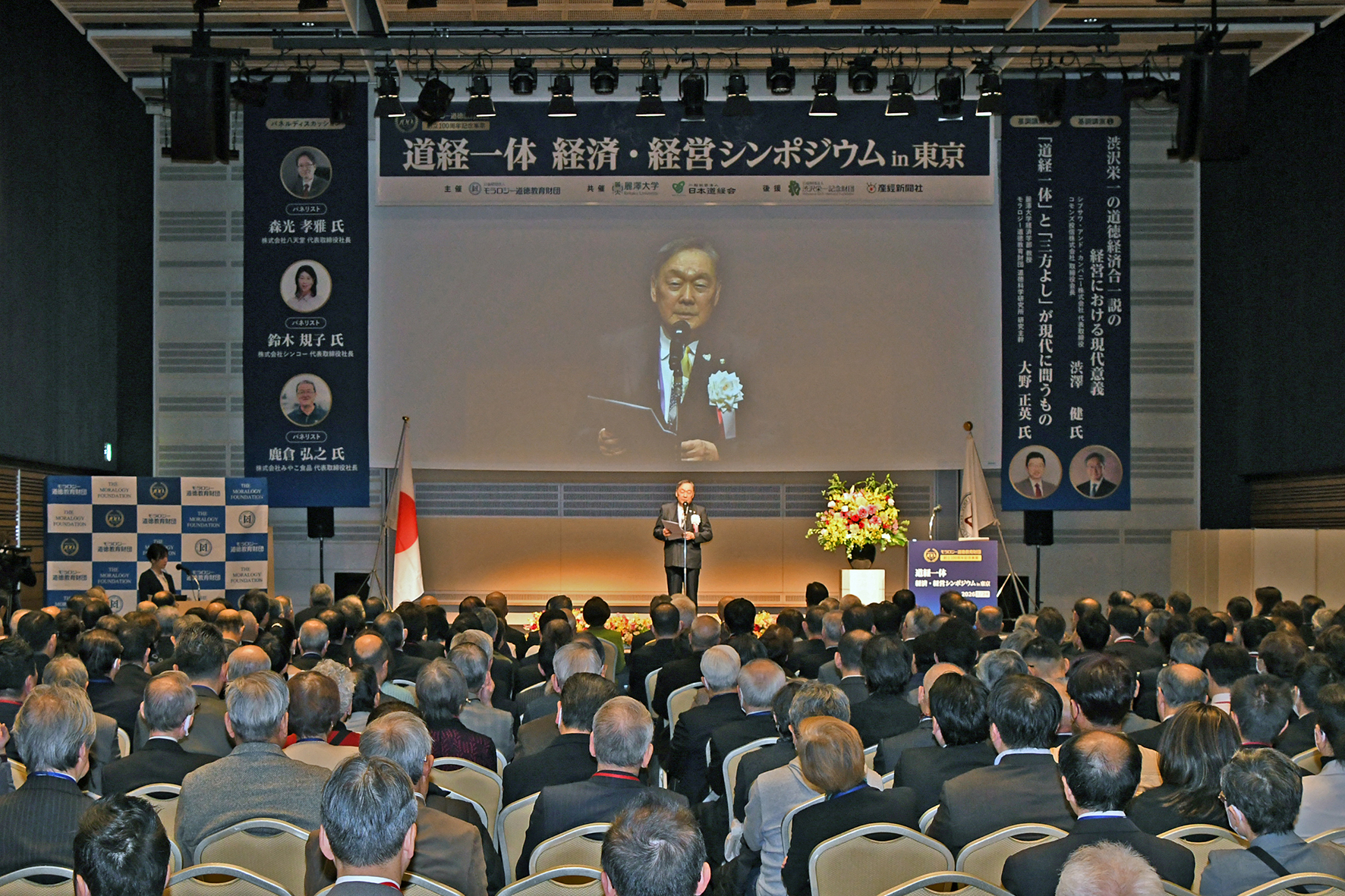
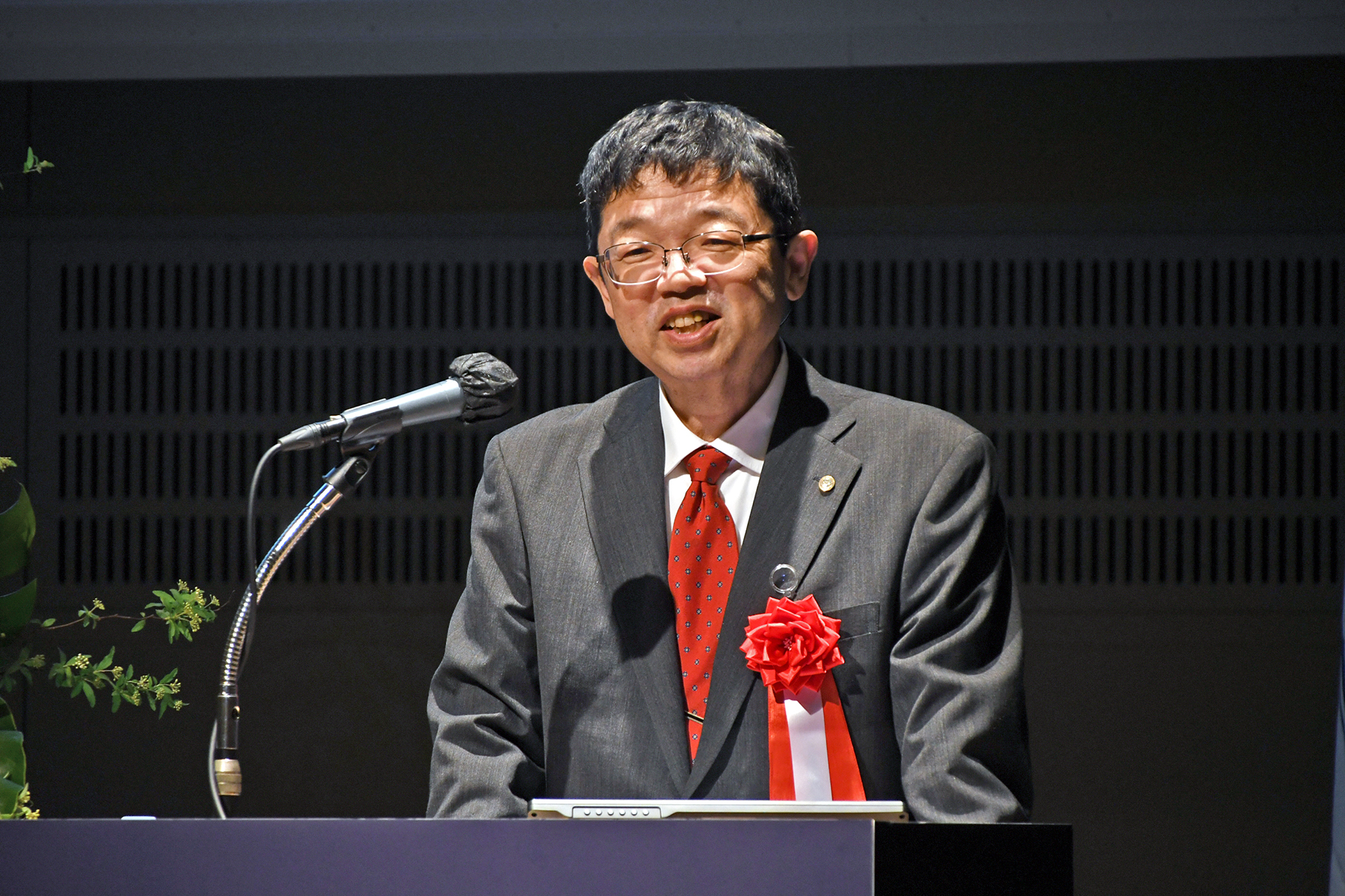
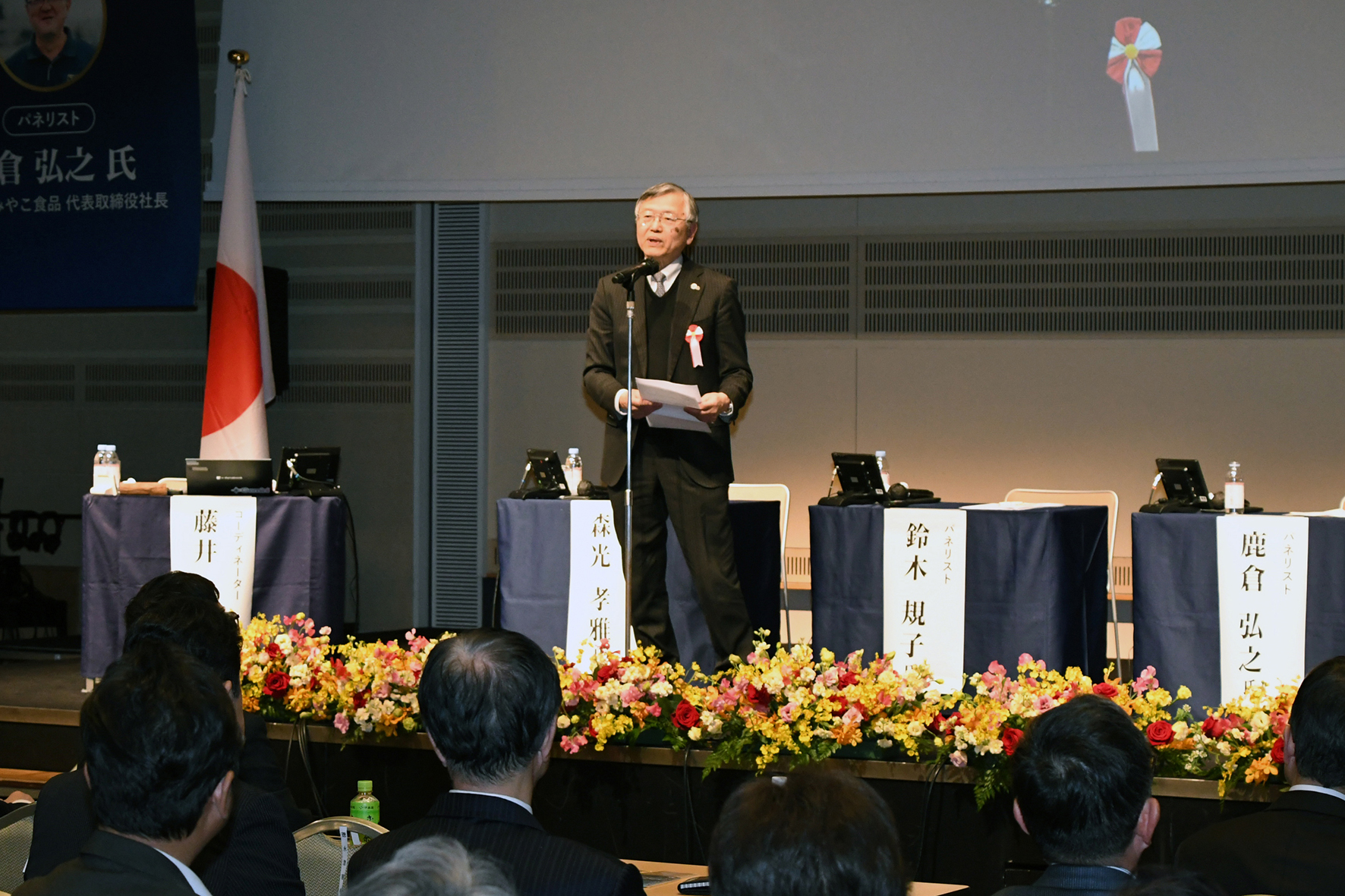
At the opening, Chairman Mototaka Hiroike delivered the organizer’s address. As the Foundation celebrates its 100th anniversary, he emphasized the importance of revisiting the spirit of “Dou-Kei Ittai(The Unity of Morality and the Economy)” and “Sanpō Yoshi,” principles advocated by the Foundation’s founder, Chikuro Hiroike, in today’s society where selfishness and social division are increasing. He stated that, precisely because we live in an era of rapid technological innovation symbolized by AI, the character and moral qualities of those who use such technologies are being called into question more than ever. He encouraged participants by saying, “Let us work together toward ‘building a nation through human resource development’ through corporate management based on the principles of ‘Dou-Kei Ittai’ and ‘Sanpō Yoshi.’”
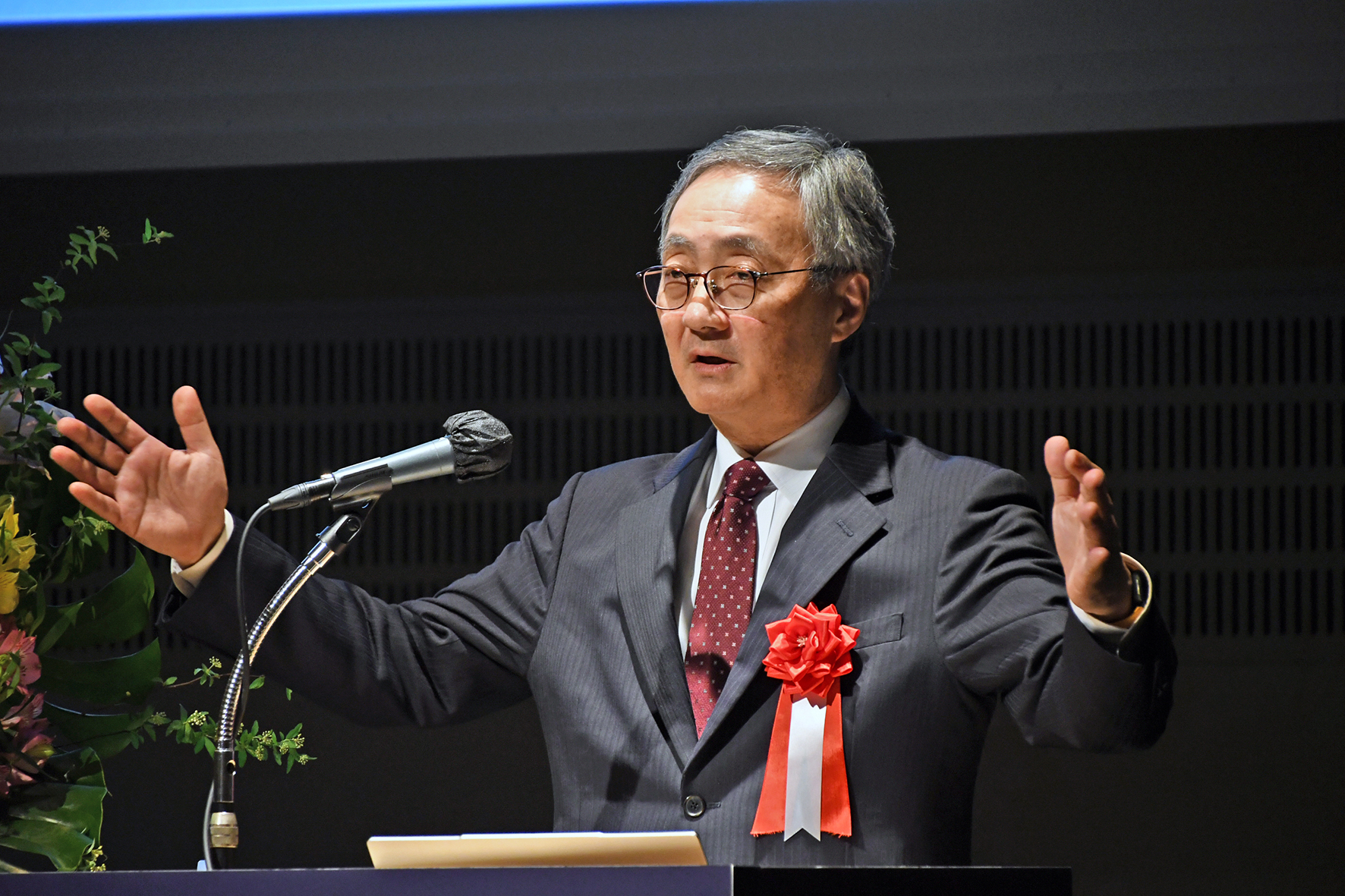
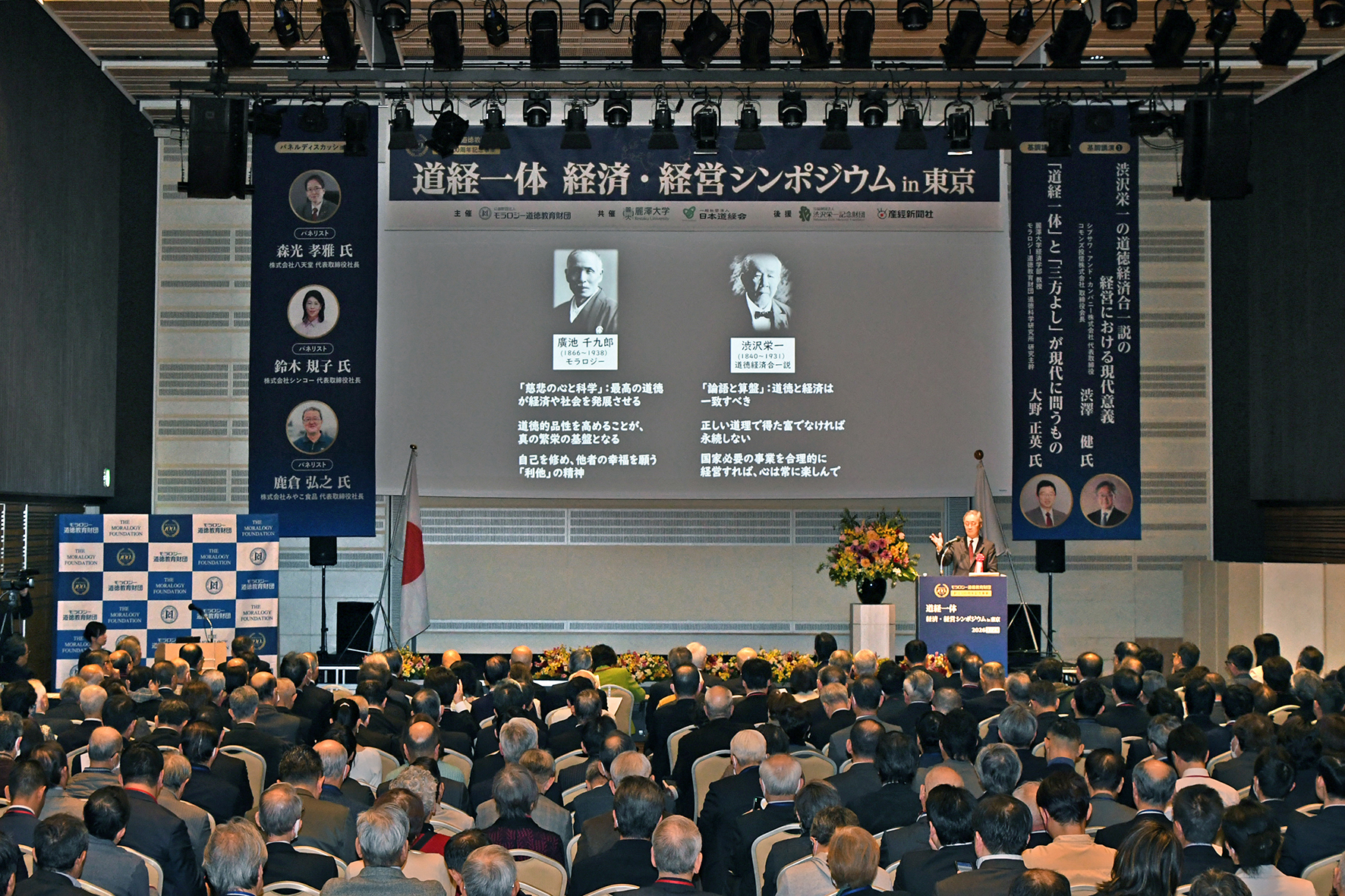
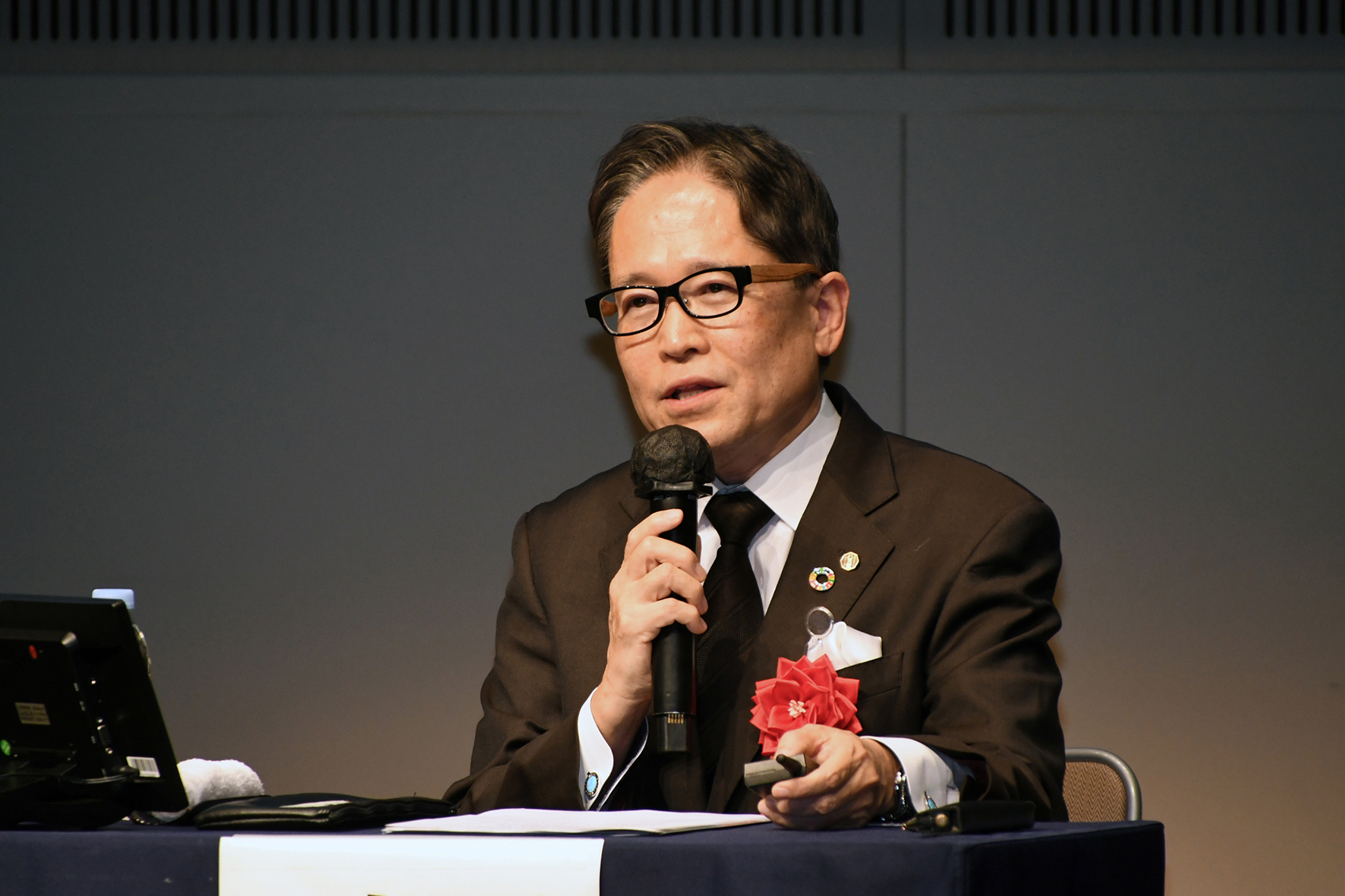
In Keynote Speech 1, Mr. Ken Shibusawa, CEO of Shibusawa and Company, Inc. and Chairman of Commons Asset Management, took the stage to deliver a lecture titled “The Contemporary Significance of Eiichi Shibusawa’s Moral-economic unity theory in Business Management.”
He explained the philosophy of “Moral-economic unity theory,” advocated by his great-great-grandfather Eiichi Shibusawa, by relating it to contemporary management and social issues. He emphasized the importance of “Gappon Capitalism,” a philosophy that brings together not only capital but also people’s aspirations and actions. He further stressed that achieving sustainable management and innovation requires viewing morality and economics not as an “either/or” choice, but through an “and” approach.
In Keynote Speech 2, Mr. Masahide Ono, Professor at Reitaku University, delivered a lecture titled “What ‘Dou-Kei Ittai’ and ‘Sanpō Yoshi’ Ask of Us Today: Seeking the Well-Being of Oneself, the Other Party, and Third Parties.”
Drawing on the thoughts and practices of pioneers such as Eiichi Shibusawa and Chikuro Hiroike, he explained that morality and economics are inherently inseparable and exist in a unified relationship. Furthermore, considering current trends such as purpose-driven management and sustainability, he emphasized that Japan’s philosophy of integrating morality and economics should continue to be shared with the world.
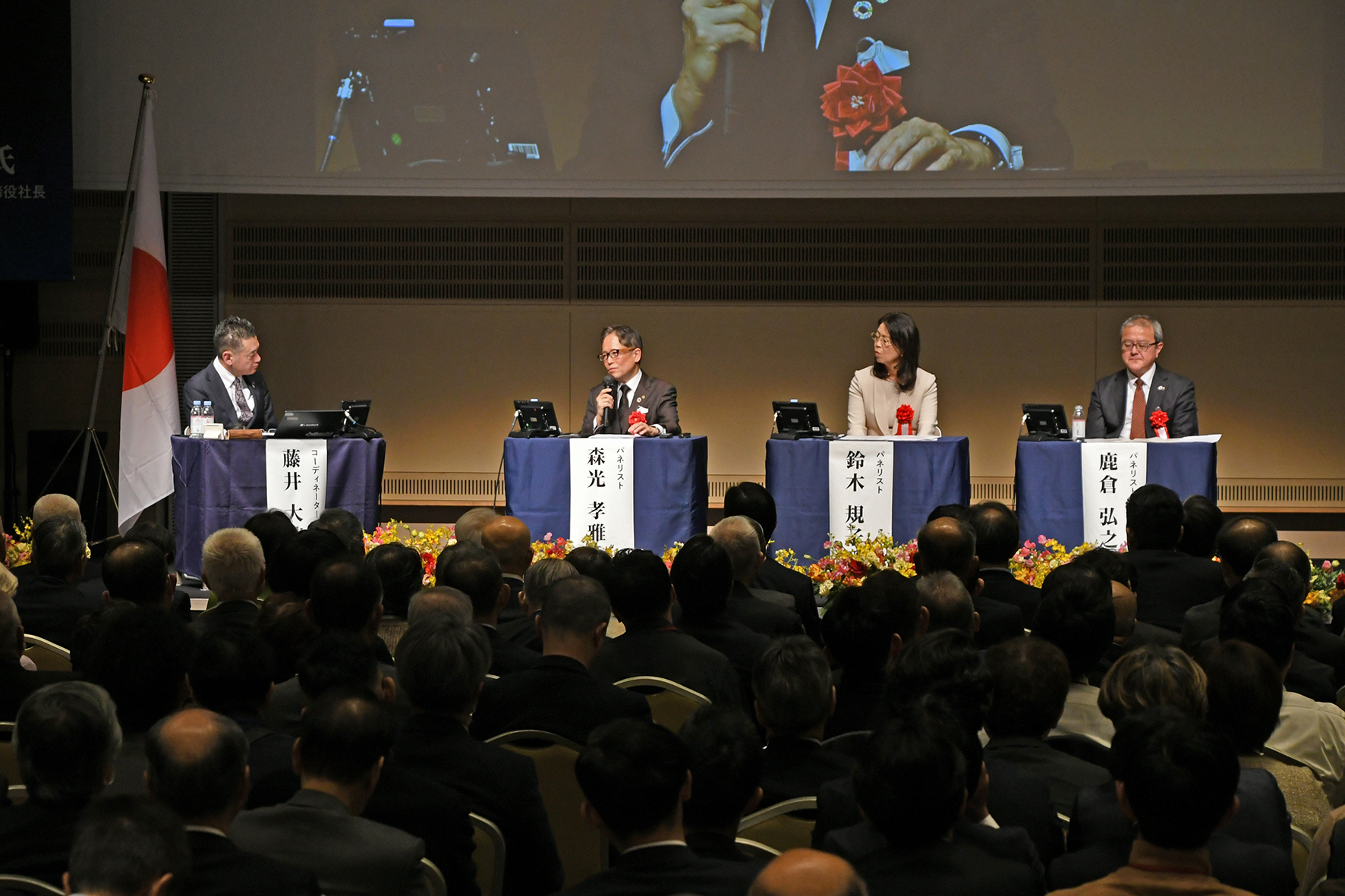
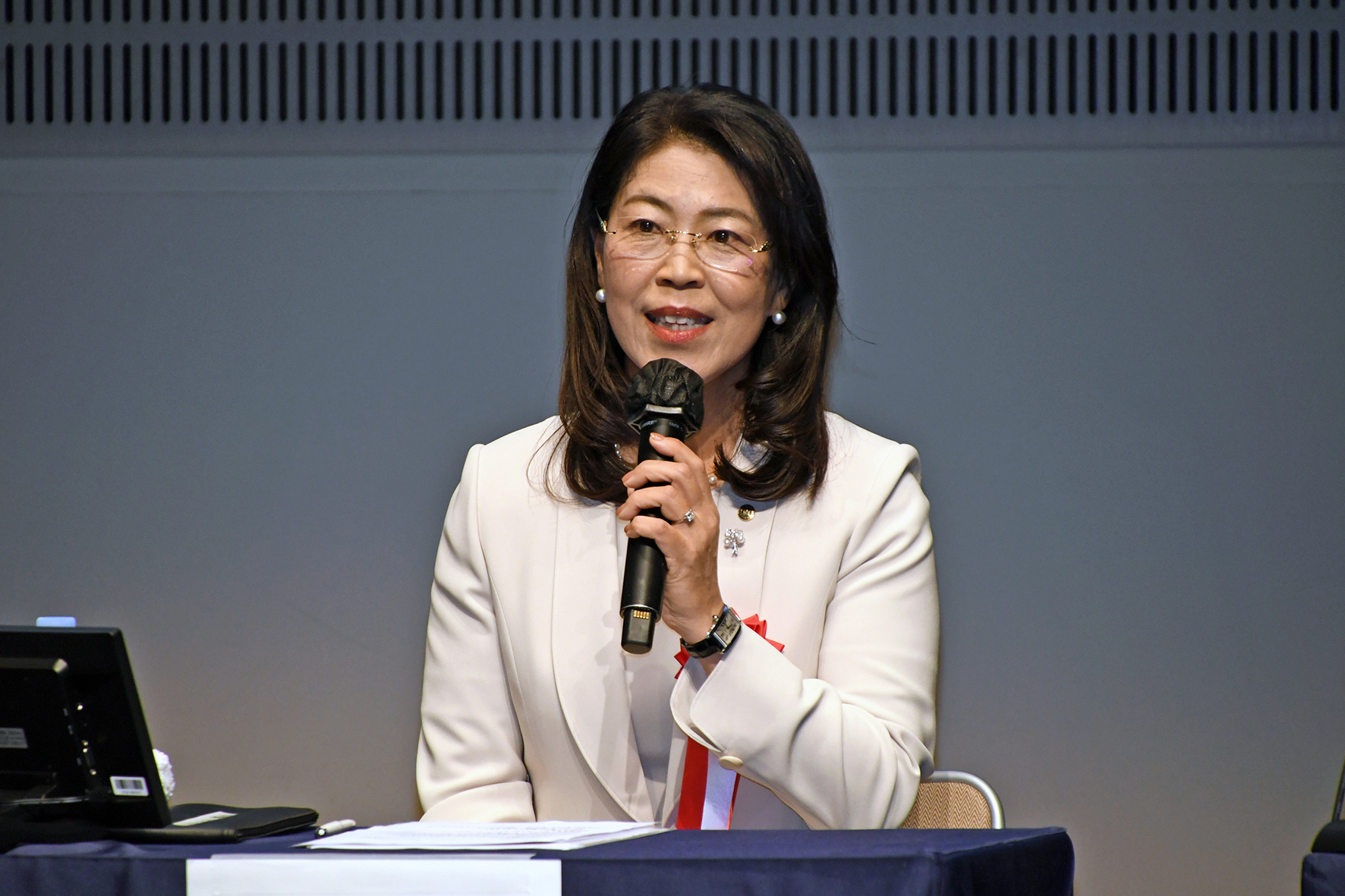
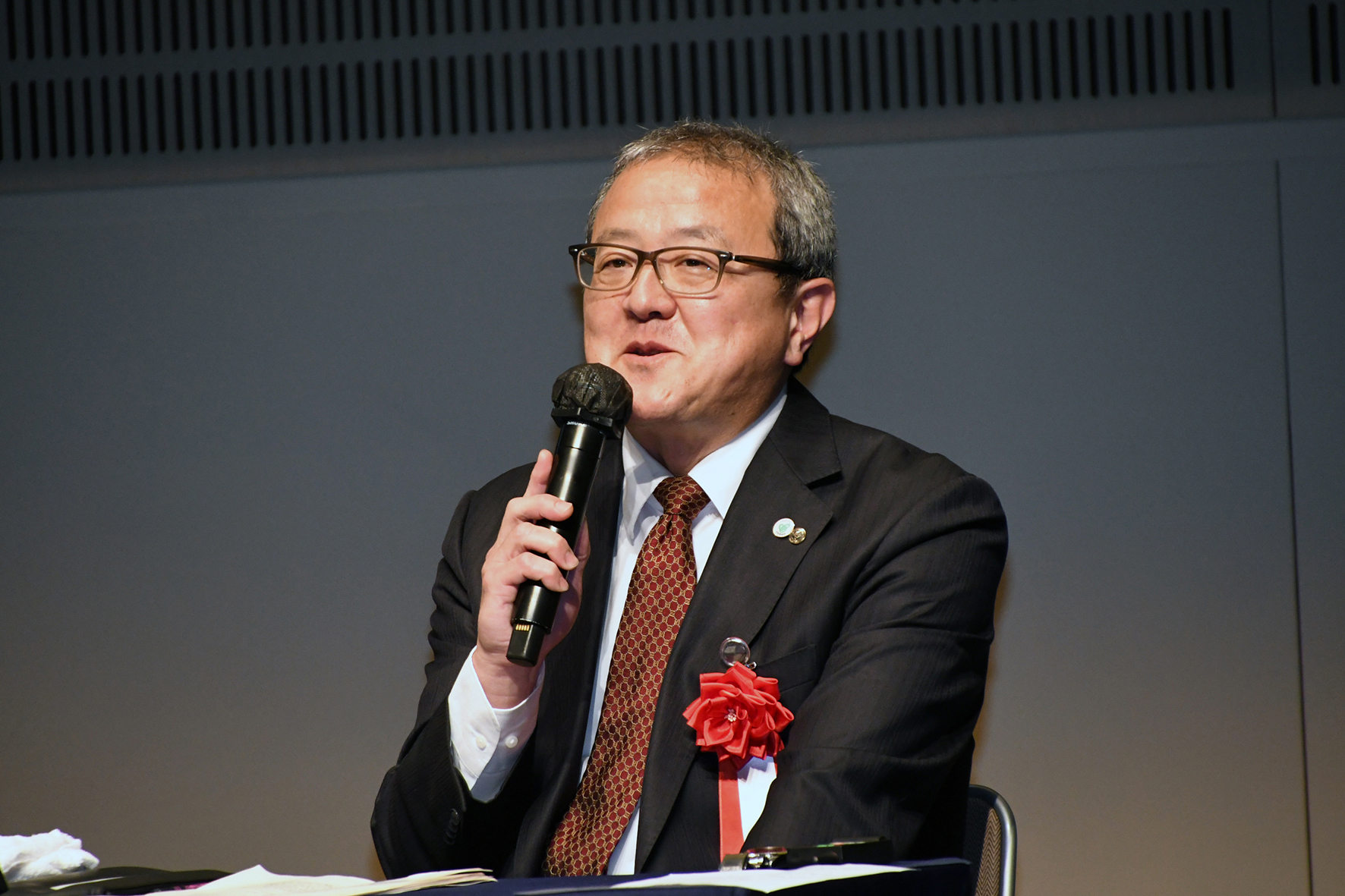
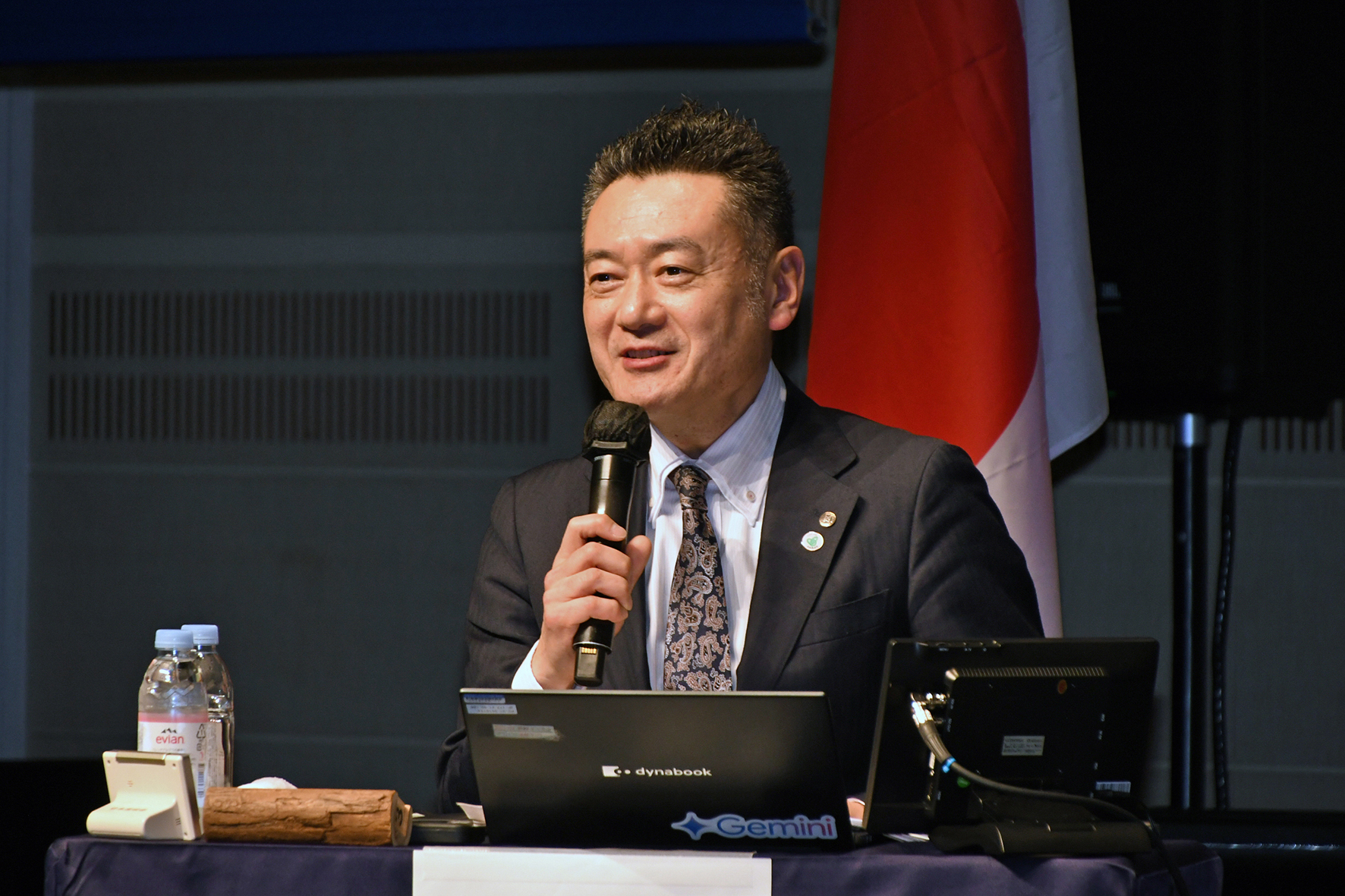
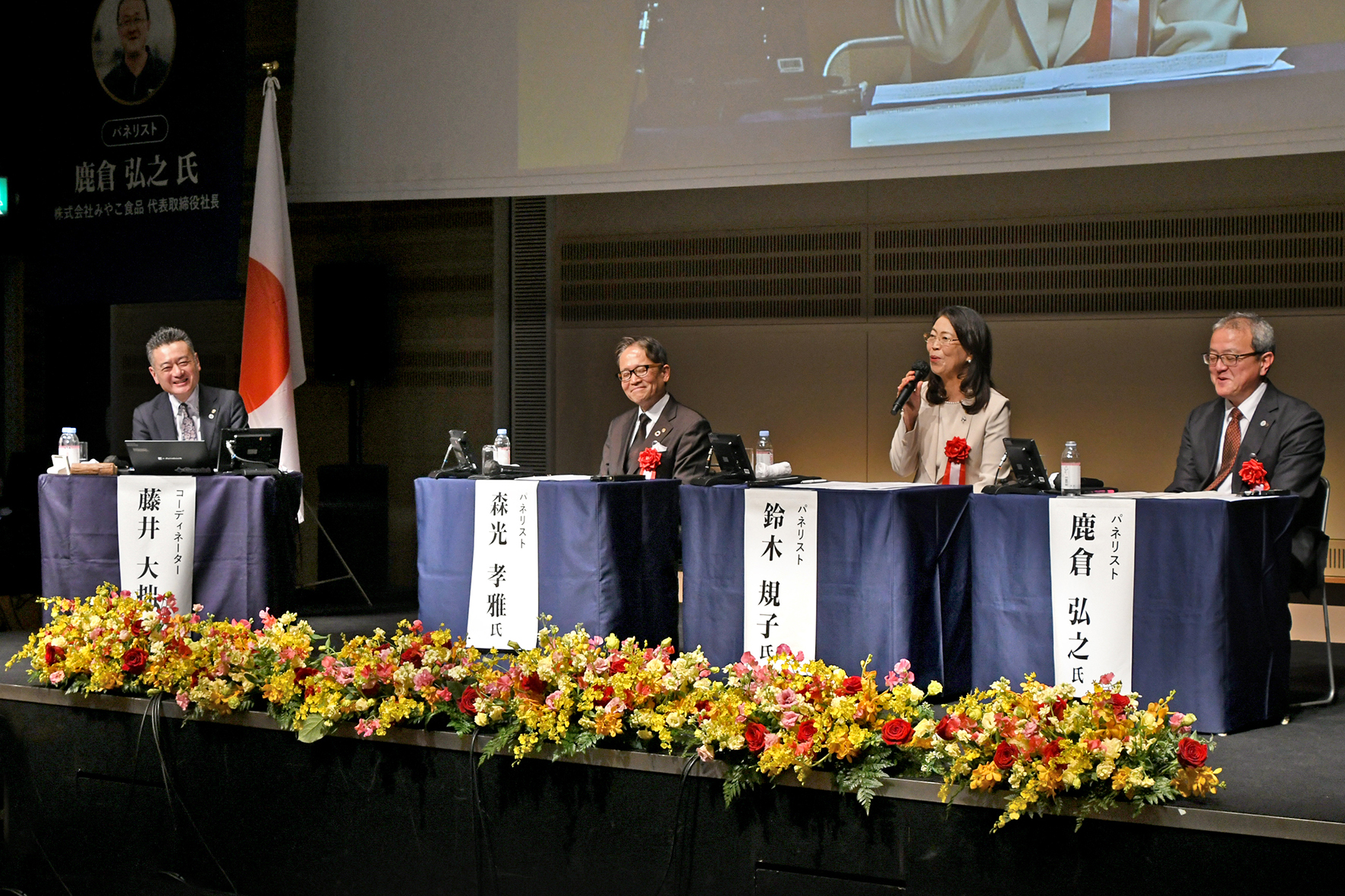
In the subsequent panel discussion, three business leaders took the stage: Mr. Takamasa Morimitsu, President and CEO of Hattendo Co., Ltd., a company that manufactures confectionery products and develops social contribution initiatives both domestically and internationally, with its flagship product being “Cream Buns,” best enjoyed chilled; Ms. Noriko Suzuki, President of Shinko Ceramics Co., Ltd., a manufacturer of ceramic glove-shaped products that conducts business with more than 130 companies in 27 countries; and Mr. Hiroyuki Shikakura, President and CEO of Miyako Food Co., Ltd., who rebuilt the family business after succeeding it as the fourth son by focusing on the production of home-delivered meals for elderly customers.
The discussion explored how these leaders faced and overcame challenges such as business succession, the threat of bankruptcy, price competition, and family conflicts. They also shared specific experiences regarding how they developed people, built trusting relationships with employees, and generated profits while contributing to society. Participants listened attentively to their insights and personal stories, which were grounded not only in theory but also in practical experience.
Finally, President Suminori Tokunaga of Reitaku University delivered the closing remarks, bringing the symposium to a close. Following the event, a networking reception was held for speakers and participants, providing an opportunity to further deepen connections among attendees.