First “Japan-Taiwan Character and Moral Education Innovation Forum” Held in Taipei, Taiwan
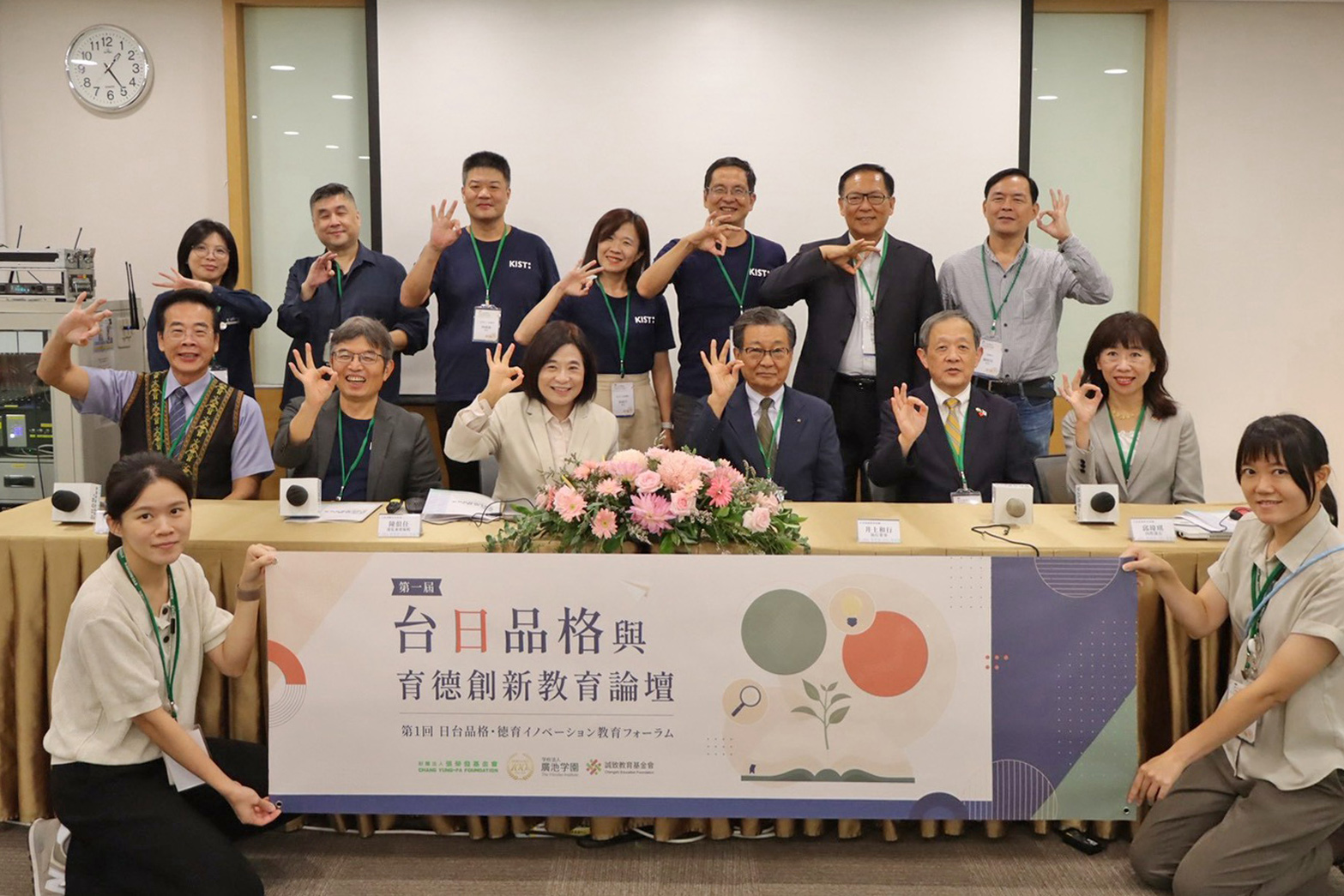
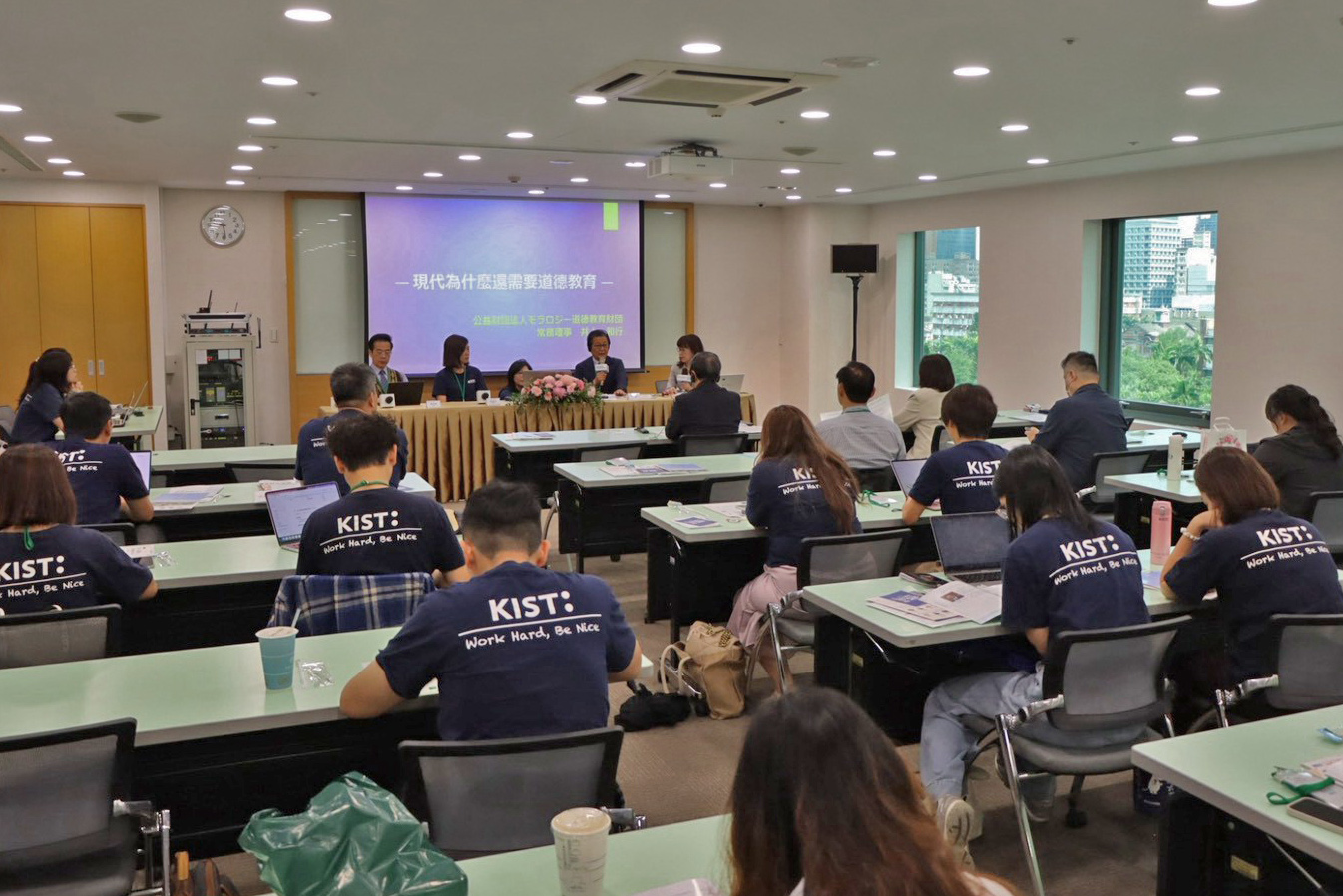
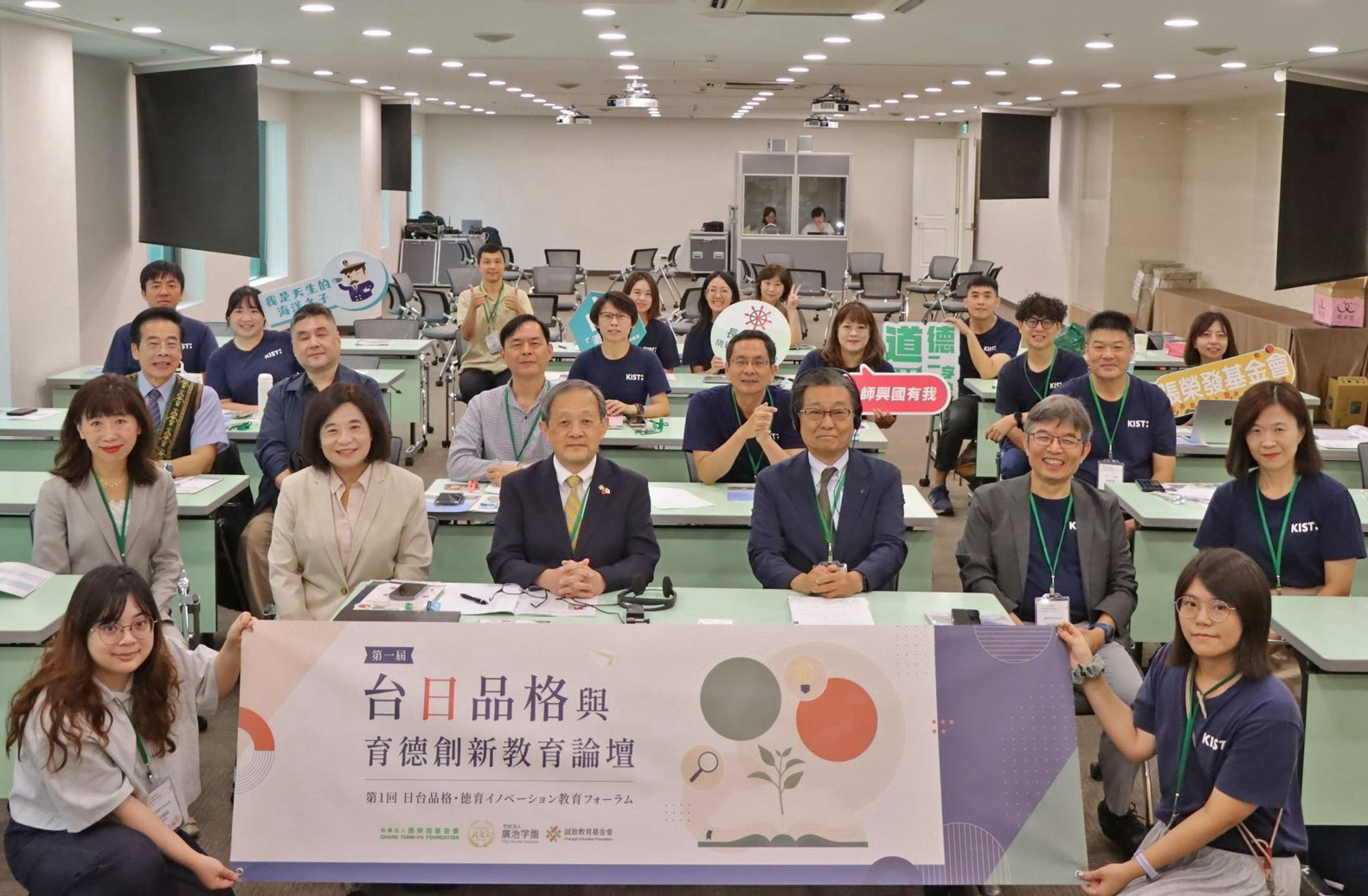
On Saturday, August 29, The Moralogy Foundation participated in the first “Japan-Taiwan Character and Moral Education Innovation Forum,” organized by the Chang Yung-Fa Foundation, and co-hosted the event with Hiroike Gakuen and the Chengzhi Education Foundation. The event took place at the Chang Yung-Fa Foundation International Conference Center in Taipei, Taiwan, and was attended by 32 participants, including principals and vice principals from Taiwanese public schools, as well as other education professionals.
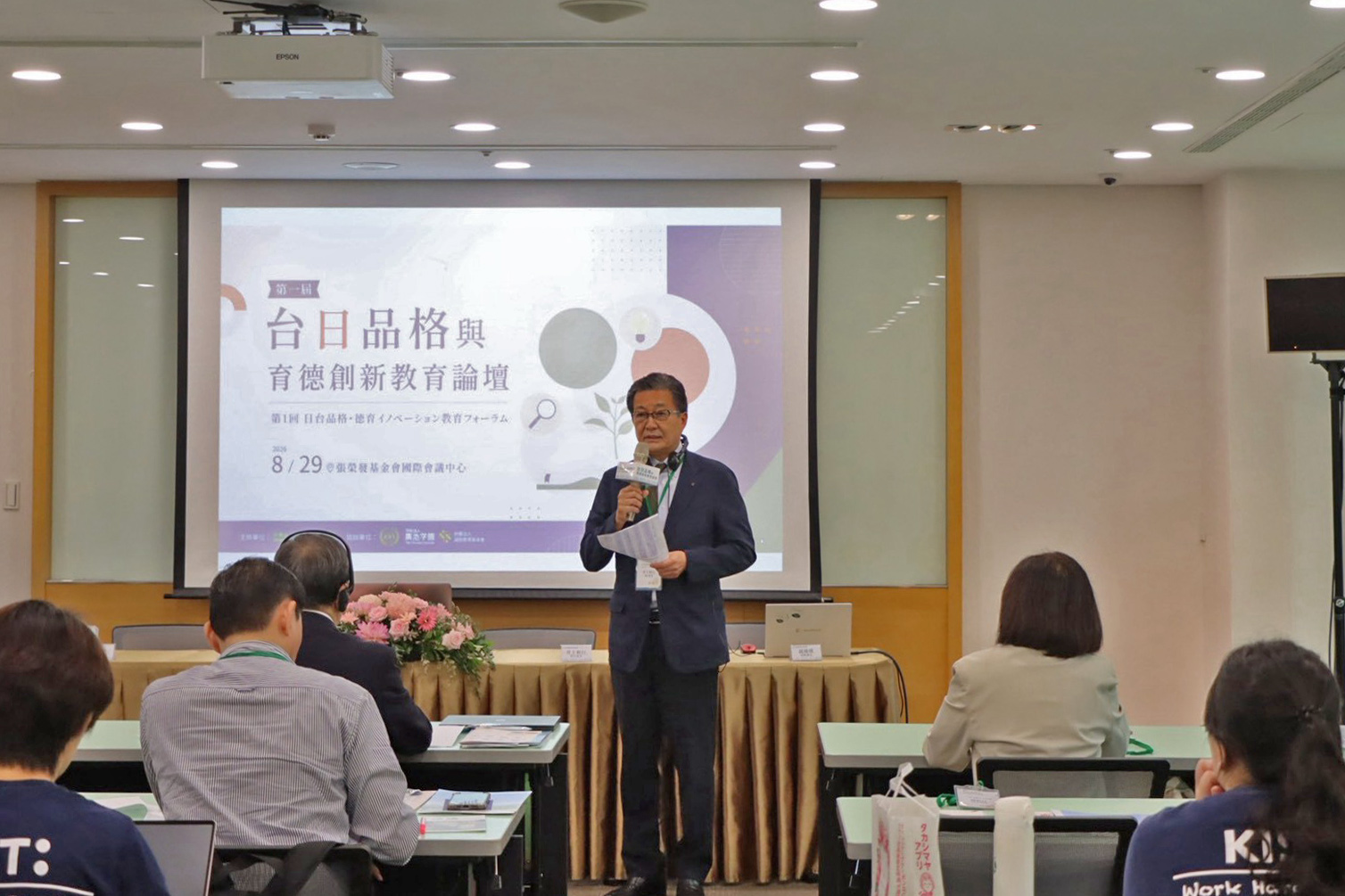
The forum was held with the aim of sharing practical experiences and insights from educational settings in both Japan and Taiwan, and to deepen discussions on approaches to moral and character education, as well as education and ethics required in the AI era. At the outset, Ms. Zhong Demei, Executive Director of the Chang Yung-Fa Foundation, delivered opening remarks on behalf of the organizers. She highlighted how the late founder, Mr. Chang Yung-Fa, placed great importance on moral education and explained the background behind the publication of Morals, which was inspired by the New Moral journal published by the Foundation. She also expressed her hopes for future educational exchanges between Japan and Taiwan.
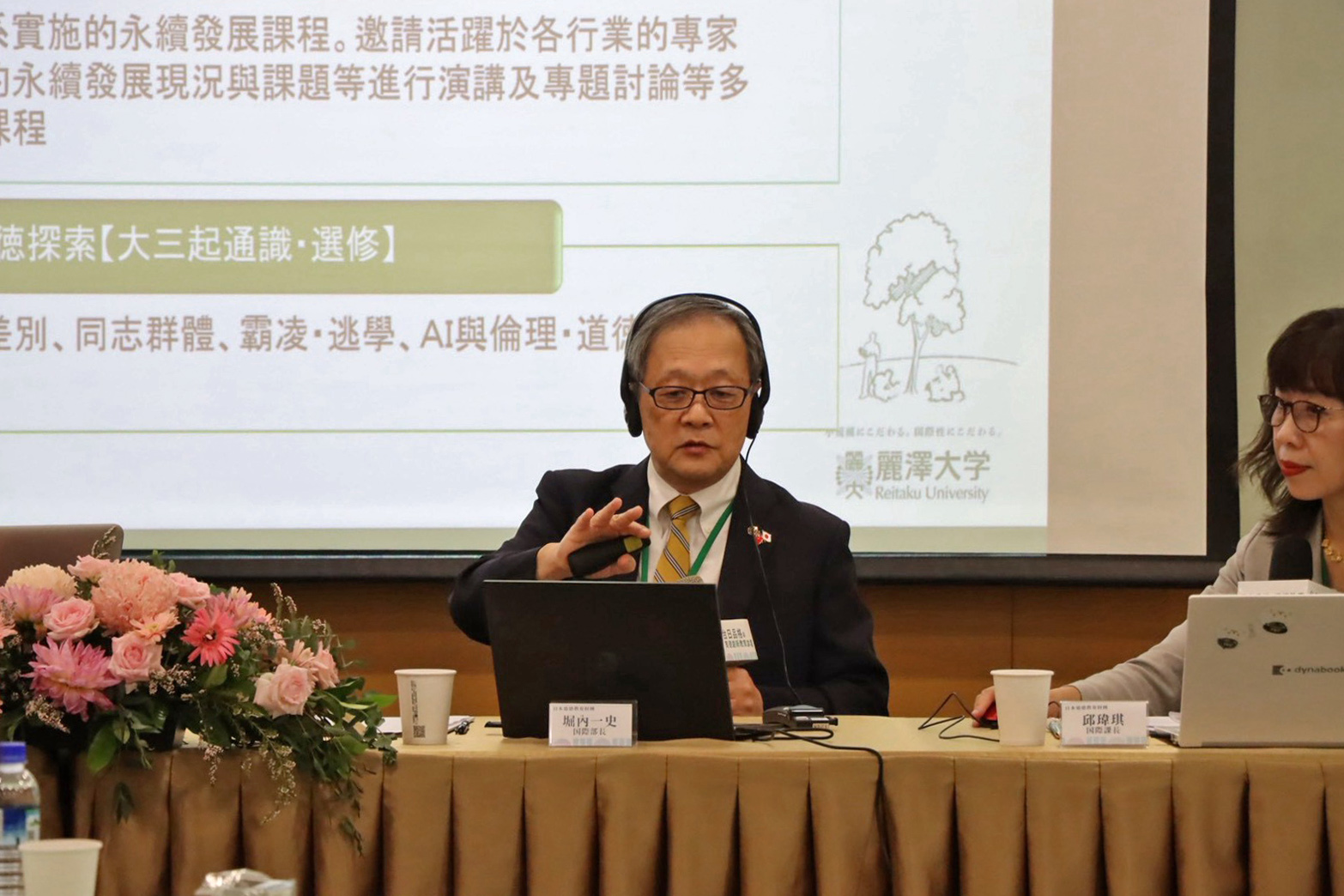
In the morning, under the theme “Bullying in Schools and Character Education,” Kazuyuki Inoue, Standing Director of our foundation, delivered a lecture on the importance of moral education. He touched on challenges common to Asian countries, such as declining birthrates, an aging population, and labor shortages, and explained that a sense of gratitude and compassion nurtured at home forms the foundation of character development. Next, Principal Zhang Shuoling of Yiwu Junior High School in Yunlin County, Taiwan; Principal Ching-Chun Chen of Zhanghu Ecological Elementary and Junior High School in Yunlin County; and Principal Chen Zhaoting of Sanhe Elementary School in Pingtung County presented practical examples from their educational settings regarding character education, bullying, and interpersonal relationship challenges. They exchanged views on the importance of adults in the home, school, and community setting a personal example, as well as initiatives to reduce bullying through the cultivation of positive interpersonal relationships. In addition, Kazunobu Horiuchi, Director of the International Affairs Department at our foundation, gave a lecture on Reitaku University’s philosophy of “The Unity of Knowledge and Morality,” as well as its practices in teacher training and moral education. Using the boarding school education at Reitaku’s various schools as an example, he highlighted the importance of character development through daily life.
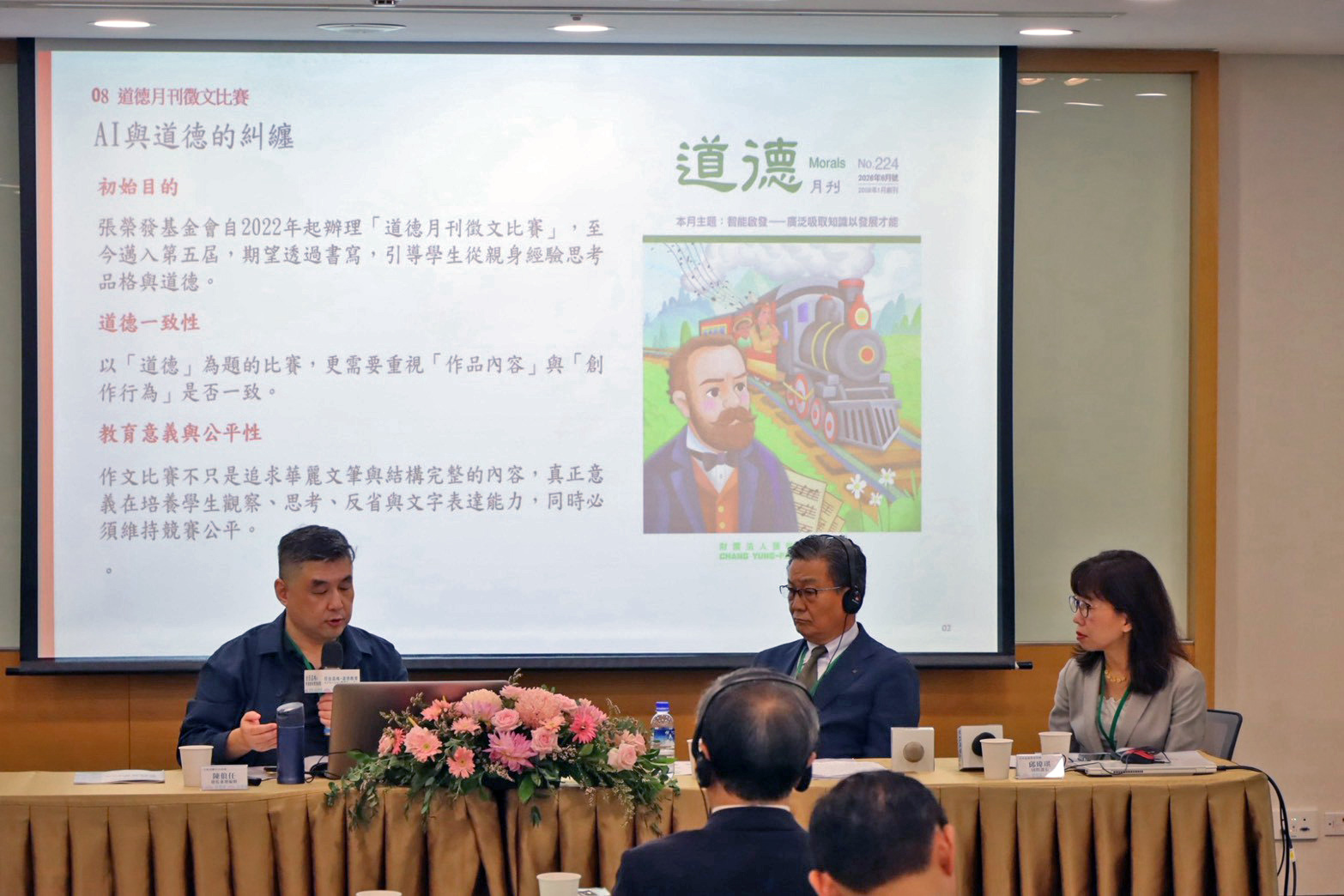
In the afternoon, participants exchanged views on the potential and challenges that generative AI brings to education. Using the “Morals Essay Contest” organized by the Chang Yung-Fa Foundation as a case study, they debated the question: “Is it acceptable to have AI write essays on moral themes?” Taiwanese journalist Chen Liang-ren presented recent examples involving the use of generative AI and raised questions regarding respect for creative work and fair evaluation. In response, Standing Director Inoue pointed out the importance of fostering not only the ability to utilize various technologies but also human ethics and critical thinking skills. Additionally, Principal Li Jinshi of Shengli Elementary School in Kaohsiung City, Taiwan, and Principal Shih-Tsung Chen of Evergreen Lily Elementary School in Pingtung County emphasized that while AI supports learning and creativity, a sense of the reality of life, the ability to make value-based choices, and the ability to understand others are cultivated through actual human interaction. Principal Lin Guo-yuan of Hualien County Sanmin Junior High School presented initiatives to bridge the educational gap between urban and rural areas through the use of technology and to expand opportunities for children to explore the world.
At this forum, participants shared their practical experiences and insights regarding challenges common to educational settings in both Japan and Taiwan, such as bullying, interpersonal relationships, and the proliferation of generative AI. Amid rapidly changing social environments and technological advancements, the importance of education that fosters compassion for others, sound judgment, and a sense of social responsibility was reaffirmed. It is hoped that education professionals from Japan and Taiwan will continue to learn from each other’s practices and deepen their exchanges to further enhance moral and character education.